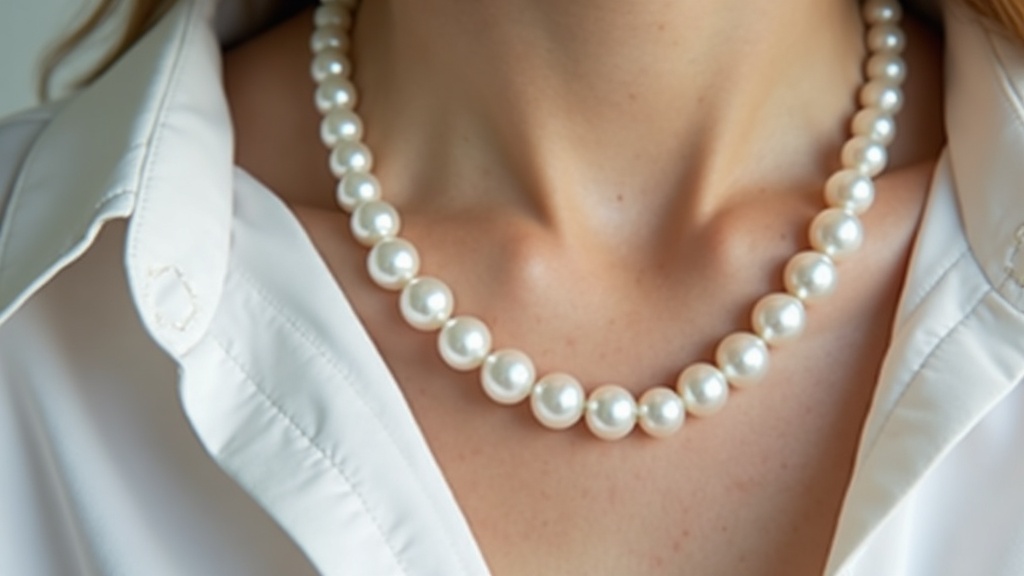
Pick the best freshwater pearl necklace for your look. Explore current jewelry trends, check surface quality, and learn to select an ideal strand for daily use.
Table of Contents
- Evaluating Quality and Luster in Cultured Gems
- Modern Styling and Layering Trends
- Market Dynamics and Pricing Structures
- Sustainability and Ethical Sourcing Practices
- Important Questions About the Best Freshwater Pearl Necklace
- Comparing Structural Approaches
- Practical Tips for Buyers
Quick Summary
The best freshwater pearl necklace is a versatile jewelry staple characterized by its organic shapes, high luster, and accessible price point. This quick summary highlights key market trends, essential quality factors like surface matching, and practical styling advice for integrating these cultured gems into your daily wardrobe rotation.
The Best Freshwater Pearl Necklace in Context
- The global pearls market is projected to reach 20.3 billion US dollars by 2033, driven largely by demand for cultured pearls (Future Market Insights, 2024)[4].
- Cultured pearls accounted for approximately 95.9 percent of total pearl market revenue in 2023 (Future Market Insights, 2024)[4].
- In a 2024 survey, 68 percent of jewelry retailers reported increased customer interest in baroque and irregular-shaped strands (National Jeweler / Jewelers of America, 2024)[8].
- A 2025 survey reported that 62 percent of US shoppers considered everyday wearability the top factor when choosing a piece (Jewelers of America and Synchrony, 2025)[9].
Introduction
The best freshwater pearl necklace selections have transformed from traditional, formal accessories into modern wardrobe essentials. Shoppers today prioritize versatility, seeking pieces that transition seamlessly from casual daytime outfits to elegant evening wear. The appeal lies in the unique combination of organic beauty, exceptional luster, and accessible pricing that cultured gems provide. As consumer preferences shift toward individuality, irregular shapes and layered designs are dominating the market. Finding the best freshwater pearl necklace requires understanding these shifts. This article explores the defining characteristics of top-tier strands, evaluates current market data, and breaks down the essential quality metrics you need to know. We will also compare different styling approaches and provide actionable advice to help you make an informed purchase. Whether you are buying your first piece or adding to a collection, understanding these nuances ensures you select a strand that perfectly matches your personal style.
Evaluating Quality and Luster in Cultured Gems
The true value of any pearl strand relies heavily on its surface quality, nacre thickness, and overall luster. When evaluating the finest freshwater pearl necklace, buyers must look beyond simple roundness. According to Diana Jarrett, a gemologist and jewelry writer at Timeless Pearl, “When choosing a freshwater pearl necklace today, people aren’t just looking at size and color – they’re prioritizing surface quality and matching over perfection, because organic, slightly irregular pearls feel more contemporary” (Timeless Pearl, 2026)[1]. This shift in consumer preference means that minor blemishes or asymmetrical shapes are no longer viewed as flaws, but rather as unique identifiers of natural origin.
Luster remains the most critical factor. High-quality specimens exhibit a sharp, bright reflection that gives the gems their signature glow. This optical effect is created by light reflecting off the surface and refracting through the many layers of nacre. Thicker nacre generally produces deeper, more vibrant luster, which is why premium freshwater pearl necklace options often boast a rich, mirror-like finish.
Matching is another vital consideration, especially for classic strands. While baroque and irregular shapes are highly sought after for fashion necklaces, a traditional strand requires uniform size, shape, and color. Jewelers spend considerable time sorting and drilling to ensure a cohesive look. For those seeking a top freshwater pearl necklace, examining the drill holes can also reveal the thickness of the nacre and the overall craftsmanship of the piece. Ultimately, balancing these quality factors ensures you acquire a piece that is both beautiful and durable.
Modern Styling and Layering Trends
Contemporary fashion has completely reimagined how these classic gems are worn, moving away from rigid formality toward relaxed, personalized styling. Today, the best freshwater pearl necklace is rarely worn in isolation; instead, it is frequently mixed with other metals and textures. John Atencio, a designer and founder of John Atencio Jewelry, notes that “Layered freshwater pearl necklaces are one of the strongest trends we’re seeing for 2026, with clients choosing two or three strands at different lengths so the look feels intentional rather than traditional” (John Atencio Jewelry, 2026)[2].
This layering technique allows wearers to create a highly customized statement piece that reflects their individual aesthetic. Pairing a short, chunky strand with a delicate fine chain or a simple gold pendant adds visual interest and depth. Laura Weaver, stylist and founder of The Freshwater Pearl Company, emphasizes this versatility, stating that the ideal piece for most wardrobes is “a short, slightly chunky strand that can be worn alone as a statement or layered with a fine chain – versatility is what makes it a staple” (The Freshwater Pearl Company, 2025)[3].
Everyday wearability has become the primary driver for these styling choices. Consumers want jewelry that integrates effortlessly into their daily lives without requiring special occasions. This demand for functional elegance has pushed designers to create more durable clasps, flexible stringing materials, and adaptable lengths. By embracing these modern styling trends, wearers can enjoy the timeless elegance of cultured gems in a way that feels fresh, current, and distinctly personal.
Market Dynamics and Pricing Structures
The economic landscape of the pearl industry is heavily influenced by regional production, consumer demographics, and the inherent cost advantages of cultured varieties. The global pearl market is projected to reach 20.3 billion US dollars by 2033, driven largely by the surging demand for cultured pearls (Future Market Insights, 2024)[4]. The Asia-Pacific region remains the powerhouse of this industry, representing about 59 percent of global revenue due to its extensive farming operations (Future Market Insights, 2024)[4].
Pricing structures clearly highlight the value proposition of these gems. Average retail prices for classic 6–7 mm strands in the United States ranged from 150 to 300 US dollars in 2025, compared with 600 to 1,200 US dollars for comparable Akoya pearl necklaces (Gemological Institute of America, 2025)[5]. This significant price difference makes them highly attractive to younger demographics. In fact, a 2025 consumer study found that 54 percent of Gen Z and millennial respondents preferred them over other types for fashion necklaces because of price and variety (De Beers Group, 2025)[6].
Jewelry retailers are responding to this shift by expanding their inventory to include more diverse, affordable options. For those looking to understand the scientific grading and valuation of these gems, the Gemological Institute of America pearl education guide offers comprehensive, non-commercial insights into nacre quality and grading standards. Understanding these market dynamics helps buyers recognize why a top freshwater pearl necklace offers such exceptional value without compromising on visual appeal or structural integrity.
Sustainability and Ethical Sourcing Practices
Environmental responsibility has become a non-negotiable factor for modern luxury buyers, directly impacting how farms operate and market their products. Sustainability influences purchase decisions for 71 percent of luxury jewelry buyers, making it a key factor for brands marketing ethically farmed options (Bain & Company, 2024)[7]. Unlike mined gemstones, which can involve disruptive earth-moving and significant ecological footprints, cultured gems are grown in controlled aquatic environments.
Modern farming techniques focus on maintaining clean water ecosystems, as the mollusks require pristine conditions to produce high-quality nacre. This biological necessity inherently promotes environmental stewardship. Farms that prioritize sustainable practices often engage in water filtration, avoid harmful chemicals, and support local biodiversity. When you purchase a premium freshwater pearl necklace from a responsible brand, you are indirectly supporting these ecological conservation efforts.
Transparency in the supply chain is also improving. Consumers increasingly demand to know the origin of their jewelry, prompting companies to provide detailed sourcing information. This traceability ensures that the workers involved in the harvesting and processing stages are treated fairly and work in safe conditions. For more insights on how sustainable practices are reshaping the broader accessories market, you can read our detailed analysis on ethical sourcing in modern fashion accessories. By prioritizing sustainability, buyers can enjoy their beautiful jewelry with the peace of mind that their purchase supports environmentally and socially responsible practices.
Important Questions About the Best Freshwater Pearl Necklace
How do I clean and maintain my strand?
Proper maintenance ensures your jewelry retains its luster for decades. Always wipe your gems with a soft, damp cloth after wearing them to remove oils, sweat, and cosmetics that can dull the nacre. Avoid using ultrasonic cleaners, steam cleaners, or harsh chemical solutions, as these can permanently damage the delicate surface. Store your strand flat in a soft pouch to prevent scratching from harder gemstones or metals. It is also advisable to restring the necklace every few years if worn frequently, as the silk or nylon thread can stretch and weaken over time. Putting your jewelry on after applying perfumes and lotions will further protect its natural shine.
What is the difference between baroque and round shapes?
The primary difference lies in their physical symmetry and visual texture. Round specimens are perfectly spherical, highly uniform, and traditionally used in classic, formal strands. They require meticulous sorting to ensure a consistent appearance. Baroque shapes, on the other hand, are asymmetrical, irregular, and entirely unique. No two baroque gems are exactly alike, which gives them a distinct, organic character. Recent market data shows that 68 percent of jewelry retailers report increased customer interest in these irregular shapes compared to traditional round strands (National Jeweler, 2024)[8]. Baroque pieces are generally more affordable and are favored for contemporary, fashion-forward designs that celebrate individuality.
Can I wear my pearl jewelry every day?
Yes, modern designs are specifically crafted for daily use. In fact, a recent survey revealed that 62 percent of shoppers consider everyday wearability the top factor when making a purchase (Jewelers of America, 2025)[9]. To ensure longevity, choose a strand with a secure clasp and durable stringing material. While they are relatively durable, they are still organic gems and can be scratched by harder materials. Avoid wearing them during strenuous physical activities, swimming, or showering, as prolonged exposure to chlorine, salt water, and excessive sweat can degrade the nacre. With basic care and mindful wearing habits, your piece will easily withstand daily use.
How do I determine the right length for my neckline?
Selecting the correct length depends on your personal style, neck size, and the types of clothing you typically wear. A choker length (14 to 16 inches) sits snugly at the base of the neck and pairs beautifully with V-necks or off-the-shoulder tops. A princess length (17 to 19 inches) is the most versatile, resting just below the collarbone and complementing almost any neckline, from casual t-shirts to formal business attire. Matinee lengths (20 to 24 inches) offer a more relaxed, layered look that works well with high necklines or sweaters. Consider your wardrobe and try on different lengths to see which proportion best flatters your natural features.
Comparing Structural Approaches
Choosing the right style involves comparing different structural approaches to see which best fits your lifestyle. Each method offers distinct advantages regarding durability, aesthetics, and maintenance requirements.
| Approach | Aesthetic Appeal | Maintenance Level | Best Use Case |
|---|---|---|---|
| Classic Knotted Strand | Traditional, elegant, uniform | High (requires periodic restringing) | Formal events, professional settings |
| Wire-Wrapped or Linked | Modern, sleek, highly durable | Low (no thread to stretch or break) | Everyday wear, active lifestyles |
| Layered Multi-Strand | Trendy, voluminous, textured | Medium (requires careful untangling) | Fashion-forward styling, evening wear |
Practical Tips for Buyers
When shopping for your next piece, keep these practical strategies in mind to ensure a satisfying purchase. First, always examine the gems in natural daylight if possible. Artificial store lighting can artificially enhance luster and mask surface blemishes, leading to disappointment once you take the piece home. Second, pay close attention to the clasp mechanism. A sturdy lobster clasp or a well-crafted box clasp with a safety catch provides much better security than a simple spring ring, especially for heavier strands.
Third, consider the undertones of the gems. While white is classic, subtle overtones of pink, peach, or silver can beautifully complement your specific skin tone. If you are buying online, request high-resolution videos rather than relying solely on edited photographs. Finally, think about how the piece will integrate with your existing collection. For more advice on building a cohesive jewelry wardrobe, check out our comprehensive guide on building a versatile capsule jewelry collection. Taking these extra steps guarantees that your investment brings joy and elegance for years to come.
For more about Best jewelry gifts for cat enthusiasts, see get expert advice on best jewelry gifts for cat enthusiasts.
Final Thoughts on the Best Freshwater Pearl Necklace
Selecting the ideal piece requires balancing personal style, quality metrics, and modern trends. The best freshwater pearl necklace offers an unmatched combination of organic beauty, everyday versatility, and accessible luxury. By prioritizing surface quality, embracing contemporary layering techniques, and supporting sustainable farming practices, you can find a strand that perfectly aligns with your values and aesthetic preferences. As the market continues to evolve, these cultured gems remain a timeless staple in any well-curated wardrobe. To discover more styling inspiration and care guides, explore our detailed resource on maintaining and styling your favorite pearl accessories.
Sources & Citations
- Biggest Pearl Jewelry Trends for 2026 You Should Know. Timeless Pearl.
https://timelesspearl.com/blogs/learn-about-pearls/pearl-jewelry-trends - Pearl Jewelry Trends 2026: Layered, Minimal & Sculptural. John Atencio Jewelry.
https://johnatencio.com/blogs/blog/pearl-jewelry-trends - Top Freshwater Pearl Necklace Trends: You Need to Know. The Freshwater Pearl Company.
https://thefreshwaterpearlcompany.com/blogs/news/top-freshwater-pearl-necklace-trends-you-need-to-know - Pearls Market Report. Future Market Insights.
https://www.futuremarketinsights.com/reports/pearls-market - GIA Pearl Retail Market Overview. Gemological Institute of America.
https://www.gia.edu/doc/GIA-Pearl-Retail-Market-Overview.pdf - Diamond Insight Flash Report. De Beers Group.
https://www.debeersgroup.com/reports/insight/flash-report-pearl-and-gemstone-jewellery - Luxury Goods Worldwide Market Study Fall 2024. Bain & Company.
https://www.bain.com/insights/luxury-goods-worldwide-market-study-fall-2024 - Retailers Share What’s Selling Now. National Jeweler.
https://www.nationaljeweler.com/articles/12947-retailers-share-what-s-selling-now - Fine Jewelry Consumer Trends. Jewelers of America and Synchrony.
https://www.jewelers.org/files/ja-synchrony-consumer-trends-report-2025.pdf