Discover the ultimate freshwater pearl necklace guide to help you choose the perfect strand. Learn about luster, sizing, and styling for everyday elegance.
Table of Contents
- Key Takeaway
- By the Numbers
- Introduction
- Understanding Pearl Value Factors
- Sizing and Length Considerations
- Shapes and Styling Trends
- Construction and Durability
- Questions from Our Readers
- Comparing Aesthetic Approaches
- Practical Tips
- Final Thoughts
For more about Tradelivingreview guide, see explore tradelivingreview guide in depth.
Key Takeaway
This freshwater pearl necklace guide is a comprehensive resource for selecting, evaluating, and styling cultured pearl jewelry. It covers essential grading factors like luster, surface quality, and nacre thickness to help buyers make informed decisions when purchasing these elegant accessories.
By the Numbers
- Freshwater pearls account for 90 percent of global cultured pearl production due to their high yield in mussels (Food and Agriculture Organization, 2024)[7].
- China supplies 95 percent of the global output for these cultured gems (United States Geological Survey, 2024)[8].
- Professional grading relies on 7 primary value factors, including size, shape, color, and luster (Pearl Paradise, 2025)[1].
- A 16-18 inch length is the most recommended range for versatile, everyday wear (Alya Pearl, 2025)[3].
Introduction
A reliable freshwater pearl necklace guide is essential for anyone looking to invest in timeless jewelry. Unlike their saltwater counterparts, these cultured gems are grown in mussels, yielding a diverse array of shapes and natural pastel colors. This accessibility makes them a favorite among both seasoned collectors and first-time buyers. When evaluating a strand, understanding the nuances of luster, surface quality, and nacre thickness is crucial. The right piece can elevate everyday attire or complement formal eveningwear. In this article, we will explore the fundamental grading criteria, popular sizing options, and practical styling advice. By the end, you will have the knowledge needed to select a beautiful, durable accessory that suits your personal aesthetic and budget.
Understanding Pearl Value Factors
Evaluating the quality of any cultured gem requires a systematic approach to its physical characteristics. Professional gemologists rely on specific criteria to determine the overall beauty and market value of a strand. According to industry standards, there are seven primary value factors: size, shape, color, luster, surface quality, nacre quality, and matching (Pearl Paradise, 2025)[1]. Among these, luster and surface cleanliness are often the most critical for visual appeal.
Freshwater Pearl Necklace Guide: Grading Factors
When navigating a freshwater pearl necklace buying guide, it is vital to focus on how light interacts with the surface. As one industry expert advises, “look for a clean surface and sharp reflections; these two factors – skin quality and luster – will have the biggest impact” on the overall appearance (Jewelers of America, 2025)[2]. Luster refers to the sharpness and intensity of light reflected from the nacre. A high-quality strand will exhibit crisp, mirror-like reflections. Conversely, dull or chalky reflections suggest inferior quality.
Surface quality evaluates the presence of blemishes, spots, or irregularities. Because these gems are formed organically inside a mollusk, completely flawless specimens are exceedingly rare. Minor imperfections are acceptable and can even serve as a hallmark of authenticity, provided they do not compromise the structural integrity of the piece. Matching is another vital consideration, especially for uniform strands. The gems should be consistent in size, shape, and overtone to create a cohesive look. Understanding these grading elements ensures that buyers can confidently assess the true worth of their potential purchase.
Sizing and Length Considerations
The physical dimensions of the gems and the overall length of the strand dictate both the visual impact and the versatility of the jewelry. Typical commercial offerings feature gems ranging from 4 mm to 10 mm for mainstream retail (Jewelers of America, 2025)[2]. However, the 7.5–8.0 mm size range remains the most popular category for buyers seeking a classic, elegant appearance (Pearl Paradise, 2025)[1]. Smaller dimensions offer a delicate, understated look ideal for layering, while larger sizes make a bold, statement-making impact.
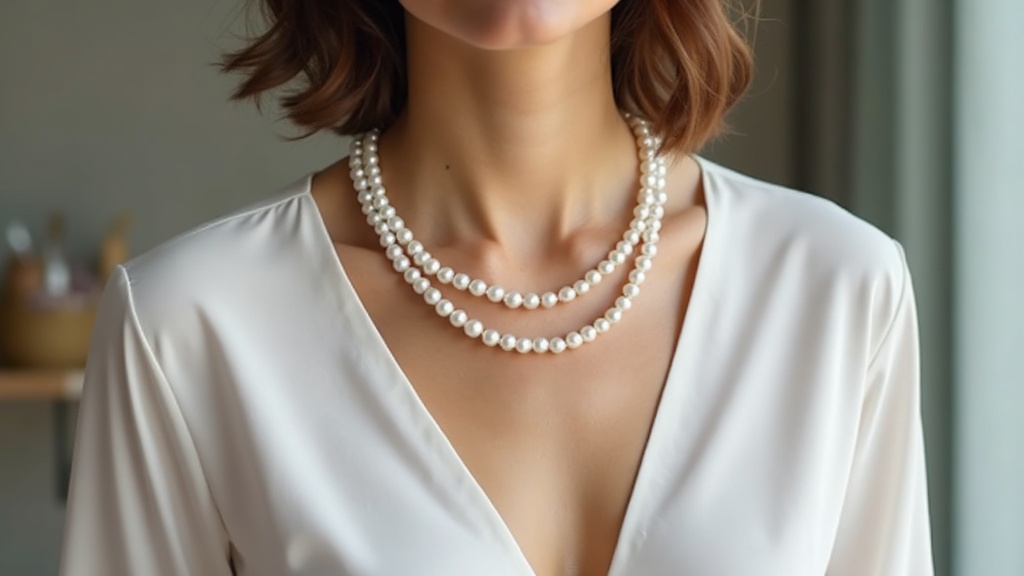
Equally important is the length of the strand, which determines where it rests on the neckline. A 16–18 inch range is widely recommended as the most versatile length for everyday wear in contemporary styling (Alya Pearl, 2025)[3]. A 16-inch choker style sits snugly at the base of the neck, drawing attention to the face, while an 18-inch princess length rests gracefully on the collarbone. Both lengths are highly adaptable, transitioning seamlessly from professional office environments to casual weekend outings.
For those seeking a more dramatic effect, longer opera or rope lengths provide ample opportunity for creative styling, such as doubling the strand or tying it in a loose knot. When selecting the ideal dimensions, consider your personal wardrobe and the types of necklines you wear most frequently. A well-chosen length will complement your natural proportions and ensure the piece becomes a staple in your daily rotation rather than a seldom-worn accessory.
Shapes and Styling Trends
Beyond traditional round silhouettes, the diverse array of available shapes offers unique opportunities for personal expression and modern styling. While perfectly spherical gems command a premium due to their rarity, many buyers are increasingly drawn to unconventional forms. Baroque, coin, and keshi shapes possess an organic, asymmetrical charm that highlights the natural origins of the gems. These irregular forms catch the light in unpredictable ways, often displaying a mesmerizing play of iridescence and orient.
This shift in consumer preference reflects a broader trend toward individuality in fashion. According to auction house specialists, “baroque shapes feel less formal and more personal, which is why we’re seeing them styled with everything from jeans to eveningwear” (Christie’s, 2025)[4]. This versatility breaks down the traditional barriers that once restricted pearl jewelry to highly formal or conservative settings.
Styling these unique strands requires a balanced approach. A heavily textured baroque strand pairs beautifully with simple, minimalist clothing, allowing the jewelry to serve as the focal point of the outfit. Conversely, a delicate, uniform strand can add a touch of refinement to a busy pattern or structured blazer. Mixing and matching different textures and shapes within a single layered look has also become a popular technique among fashion-forward individuals. By embracing the natural variations in shape, wearers can curate a collection that feels distinctly their own, moving away from cookie-cutter designs and celebrating the organic beauty of cultured gems.
Construction and Durability
The structural integrity of a strand relies heavily on the craftsmanship of its stringing and the inherent durability of the nacre. Because these gems are cultivated in mussels that can host multiple nucleation sites simultaneously, they generally develop a remarkably thick nacre layer compared to many saltwater varieties (Cultured Pearl Association of America, 2024)[5]. This solid composition makes them highly resistant to chipping and peeling, ensuring they can withstand the rigors of daily wear. For a deeper understanding of global cultivation practices, you can explore the comprehensive aquaculture documentation provided by the FAO.
Equally critical to the longevity of the piece is the stringing method. The standard practice for high-quality jewelry is to knot the silk cord between each individual gem (Jewelers of America, 2025)[2]. This technique serves a dual purpose: it prevents the loss of multiple gems if the strand accidentally breaks, and it minimizes friction and abrasion between adjacent surfaces. Silk and high-grade synthetic cords are the preferred materials, offering both flexibility and strength.
The clasp mechanism is another vital component that should not be overlooked. A secure, well-crafted clasp – such as a lobster claw or a fishhook design – ensures the strand remains safely fastened during movement. Some premium designs also incorporate safety catches or figure-eight locks for added security. When inspecting a potential purchase, always check the drill hole for smoothness and ensure the knots are tight and uniform. Proper construction not only protects your investment but also guarantees that the jewelry will remain a cherished heirloom for generations to come.
Questions from Our Readers
How do I clean my jewelry at home?
Cleaning your accessories at home requires a gentle approach to avoid damaging the delicate nacre. After each wear, simply wipe the strand with a soft, lint-free cloth to remove natural skin oils, sweat, and cosmetics. For a deeper clean, use a mild, non-detergent soap mixed with lukewarm water and a soft cloth. Never submerge the strand in water, as this can weaken the silk cord and cause it to stretch or break over time. Avoid harsh chemicals, ultrasonic cleaners, and steam cleaners, as these can strip the natural luster and cause irreversible surface damage. Always ensure the piece is completely dry before storing it.
What is the difference between these and saltwater varieties?
The primary difference lies in the cultivation environment and the mollusk used. Freshwater varieties are grown in mussels within lakes and rivers, while saltwater types are cultivated in oysters in ocean environments. A single mussel can produce multiple gems simultaneously, making freshwater options more abundant and generally more affordable. Furthermore, freshwater gems are typically composed of solid nacre, whereas many saltwater varieties feature a mother-of-pearl bead nucleus surrounded by a thinner nacre layer. This solid composition gives freshwater pieces exceptional durability. While saltwater options like Akoya are renowned for their perfectly round shapes and mirror-like luster, modern cultivation techniques have significantly elevated the quality and roundness of freshwater alternatives.
Can I wear my strand every day?
Yes, these accessories are designed to be enjoyed regularly, and frequent wear can actually benefit them. The natural oils from your skin help maintain the moisture content of the nacre, preventing it from drying out and losing its luster. However, you should follow the “last on, first off” rule to protect the gems from harsh chemicals found in perfumes, hairsprays, and lotions. Put your jewelry on after applying cosmetics, and remove it before showering, swimming, or exercising. The thick nacre typical of these cultured gems makes them highly resilient against minor bumps and scratches, making them an excellent choice for daily elegance. Just be mindful of your activities to avoid exposing the strand to extreme impacts or abrasive surfaces.
How should I store my jewelry when not in use?
Proper storage is essential to preserve the beauty and structural integrity of your pieces. Always store your strand flat in a soft pouch or a lined jewelry box to prevent the silk cord from stretching. Hanging the jewelry for extended periods can cause the cord to elongate and weaken, leading to potential breakage. Keep the pouch away from direct sunlight and extreme heat, which can dry out the nacre and cause yellowing. It is also important to store your accessories separately from harder gemstones and metals, such as diamonds or gold, which can easily scratch the softer pearl surface. If you live in a very dry climate, placing a damp cloth nearby in the storage area can help maintain optimal humidity levels.
Comparing Aesthetic Approaches
Selecting the right style involves comparing different aesthetic approaches to find the best match for your personal wardrobe. Each variation offers distinct visual characteristics and styling benefits, making it easier to align your purchase with your specific lifestyle needs.
| Style Approach | Visual Characteristics | Best For |
|---|---|---|
| Classic Uniform | Perfectly matched, round gems with consistent size and color. | Formal events, professional settings, and traditional elegance. |
| Baroque Organic | Asymmetrical, uniquely shaped gems with high iridescence. | Casual wear, artistic expression, and modern layering. |
| Tin Cup / Station | Single gems spaced evenly along a delicate metal chain. | Minimalist styling, everyday wear, and subtle accenting. |
Understanding these distinctions helps buyers navigate any buying guide for freshwater pearl necklaces and confidently choose a design that enhances their daily fashion choices.
Practical Tips
Implementing a few strategic habits will ensure your investment remains pristine and continues to elevate your personal style. First, experts recommend that buyers “prioritize luster over size – the glow of the pearls will make even a delicate strand look luxurious” when making a selection (Southern Living, 2025)[6]. When building a collection, start with a versatile 18-inch princess length in a classic white or cream overtone, as this will seamlessly complement almost any outfit in your closet.
To maintain the stringing integrity, have your jewelry professionally re-strung every one to two years if you wear it frequently. This preventive measure protects against unexpected cord failure and keeps the knots looking tight and fresh. Additionally, consider exploring our comprehensive jewelry care essentials guide for more detailed maintenance routines and product recommendations.
Finally, do not be afraid to mix textures and metals. Pairing your strand with a delicate gold pendant or layering it with a simple metallic chain creates a contemporary, personalized look that transcends traditional styling boundaries. By treating your accessories with care and styling them creatively, you maximize both their longevity and their fashion impact.
Final Thoughts on This Freshwater Pearl Necklace Guide
Navigating the world of cultured gems becomes a rewarding experience when armed with the right knowledge. By focusing on essential quality factors like luster, surface cleanliness, and proper stringing construction, you can confidently select a piece that offers both beauty and longevity. Whether you prefer the classic elegance of a uniform strand or the modern charm of baroque shapes, these versatile accessories are designed to be cherished and worn daily. To continue refining your personal style and discover more curated accessory recommendations, read our timeless accessories collection review.
Useful Resources
- Pearl Necklaces: The Expert How‑to Guide on Selection. Pearl Paradise.
https://www.pearlparadise.com/pages/pearl-necklaces - Pearl Buying Guide. Jewelers of America.
https://www.jewelers.org/buying-jewelry/jewelry-buying-guides/pearl-buying-guide - Freshwater Pearl Necklace Guide: Length, Styles & Meaning. Alya Pearl.
https://alyapearl.com/blogs/the-pearl-guide-1/freshwater-pearl-necklace-guide-length-styles-meaning - A Guide to Buying Pearls in 2025. Christie’s.
https://www.christies.com/en/stories/a-guide-to-buying-pearls - Freshwater Pearls Overview. Cultured Pearl Association of America.
https://www.cpaa.org/freshwater-pearls - How to Buy Pearls You’ll Wear for Years. Southern Living.
https://www.southernliving.com/fashion/jewelry/how-to-buy-pearls - Fisheries and Aquaculture Department. Food and Agriculture Organization of the United Nations.
https://www.fao.org/fishery/en/culture/pearl - 2024 Mineral Commodity Summaries: Gemstones. United States Geological Survey.
https://pubs.usgs.gov/periodicals/mcs2024/mcs2024-gemstones.pdf