Discover how phlebotomy training can create a fast, flexible healthcare career with steady income. Whether you are changing careers, returning to work, or looking for income outside the markets, this credential opens doors quickly.
Table of Contents
- What Phlebotomy Training Covers
- How Long Phlebotomy Training Takes
- Certification and Clinical Experience Requirements
- Using Phlebotomy Skills for a Steady Income
- Questions from Our Readers
- Phlebotomy Training Formats Compared
- Practical Tips for Phlebotomy Training Success
- Key Takeaways
- Further Reading
Quick Summary
Phlebotomy training is a structured educational route that prepares students to collect blood samples for tests, transfusions, and research. It offers a fast healthcare credential with flexible schedules, making it a practical income base for people who want stable cash flow while they build other career or investment skills.
Phlebotomy training is one of the fastest ways to enter the medical field. You do not need a four-year degree, and the skills you learn are in demand in hospitals, laboratories, and blood banks. This guide explains what the training covers, how long it takes, what certification requires, and why the steady pay fits well with active trading or investing.
What Phlebotomy Training Covers
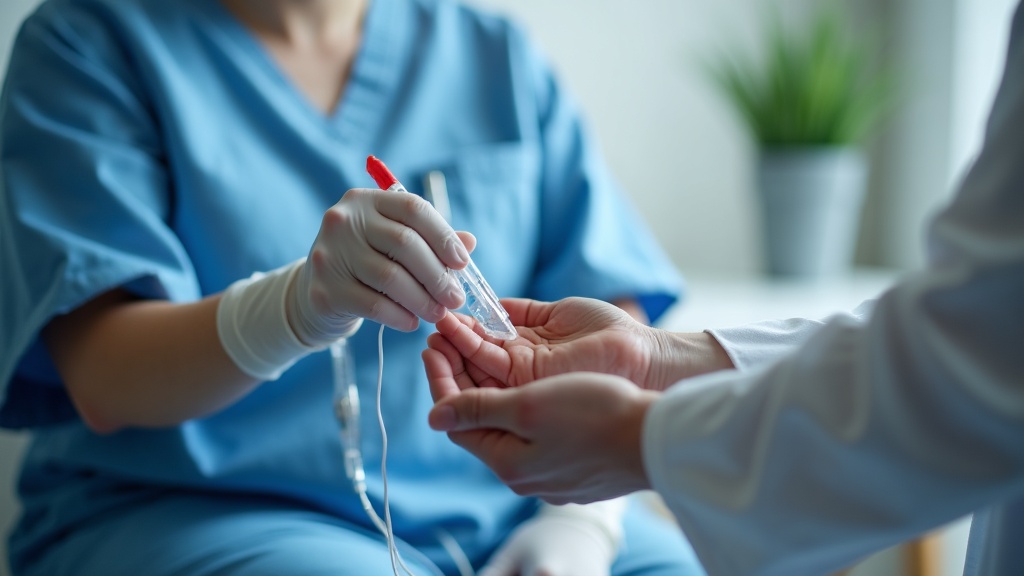
Phlebotomy training teaches the hands-on skills needed to draw blood for medical testing, transfusions, donations, and research. Students learn venipuncture technique, vein selection, specimen collection, and the safety protocols that prevent contamination and needle injuries.
A quality phlebotomy course also covers anatomy, medical terminology, and patient communication. You practice on training arms first, then move into supervised blood draws in a real clinical setting. Most programs include an externship, where you complete a set number of successful collections under experienced supervision. That practical phase is where most students build confidence and smooth out the hand motions that make blood draws comfortable for patients.
Beyond the needle itself, phlebotomy training emphasises organisation. You learn how to label samples correctly, transport blood tubes, and log collections in the laboratory system. These details matter because a mislabelled specimen can delay a diagnosis or force a patient to return for another draw.
Instructors also cover special populations, such as older adults, children, and patients with difficult veins. You learn how to adapt your approach, when to ask for help, and how to respond if a patient feels faint. These skills separate a trained phlebotomist from someone who simply knows how to use a needle.
For individuals who manage work, trading, or family responsibilities, the structure of many phlebotomy classes is a plus. Evening and weekend options are common, and the hands-on format keeps training engaging without demanding years of full-time study. The result is a healthcare career path you can enter quickly while keeping your routine intact.
How Long Phlebotomy Training Takes
Most phlebotomy training programs fit into a matter of weeks rather than years. The exact timeline depends on whether you study full time, part time, or through an accelerated track, and most courses combine classroom hours with clinical practice.
Full-time students can often finish the didactic portion quickly, then move into externship hours. Part-time learners may stretch the same phlebotomy training over several months by attending evening sessions. Hybrid options that mix online lessons with weekend skills labs are especially popular among people who need schedule flexibility.
The clinical requirement is the part that varies most between programs. Externship hours give you supervised experience with real patients, and the number of successful blood draws you need usually depends on your program and the certification body you plan to use. It is wise to ask about this requirement before enrolling so you know the total commitment.
Some community colleges offer phlebotomy training as a single-semester certificate, while private schools run compressed weekend courses. Look at the schedule, not just the price, because a format that clashes with your work or trading hours will slow you down.
The short timeline is one reason the phlebotomy career path appeals to so many people. You can complete the credential, pass the exam, and start earning without abandoning your usual routine for a semester or more. The faster you finish, the sooner the steady paychecks begin.
Certification and Clinical Experience Requirements
Certification is the step that turns phlebotomy training into a professional credential. After completing an approved program, most students sit for a national certification exam that tests both theory and practical knowledge.
State requirements vary, so your first move should be checking the rules where you plan to work. Some states require a specific phlebotomy certification, while others accept multiple credentials from recognised certifying bodies. Employers often prefer certified phlebotomy technicians because the credential confirms a consistent standard of training.
Clinical experience is the backbone of the phlebotomy certification process. You cannot learn blood collection from a textbook alone. Programs therefore require supervised hours in a healthcare facility, where you practise on actual patients under the eye of an experienced instructor. This is also where you develop the calm, professional manner that patients expect.
Many students take the exam soon after finishing their externship while the skills are fresh. Preparation materials, mock tests, and study groups are widely available, and most programs build exam review into the final weeks of the phlebotomy course.
Once certified, you may need to renew the credential through continuing education. This keeps your knowledge current as techniques and safety standards evolve. For most phlebotomists, the renewal requirement is manageable, usually involving a short update course rather than a full retraining program.
Using Phlebotomy Skills for a Steady Income
Phlebotomy skills create a dependable income stream that works well alongside active trading or part-time work. A steady paycheck is not just a comfort; it is a strategy. It lets you cover living costs without being forced to make rushed financial decisions.
Phlebotomy Training as a Side-Income Foundation
Hospitals, laboratories, plasma centres, and blood banks hire phlebotomy technicians for shifts that fit unusual schedules. Early morning draws are common because tests need to be processed during the day, and that creates opportunities for people who are done trading by the time the market opens. Evening and weekend laboratory openings also exist, making it easier to build part-time hours around your trading plan.
Some phlebotomists use their clinical income to fund regular investments, while others treat it as a safety net that protects their portfolio from sudden personal expenses. The key point is that phlebotomy pays reliably. In a world where market income fluctuates, that reliability is valuable.
The role also offers mobility. Travel phlebotomy positions and mobile blood draw services let you move between cities, which can be useful if your lifestyle is location-independent. Over time, experience in phlebotomy can lead to lead technician roles or laboratory assistant positions, raising your earning potential without requiring a full degree. In short, the certification turns a short period of training into an income base you can rely on.
Questions from Our Readers
Is phlebotomy training difficult?
Phlebotomy training is challenging but achievable for most people. You need steady hands, attention to detail, and comfort with needles. The hardest part for many students is the first few supervised blood draws, because patient interaction adds pressure. Programs give you repeated practice on training arms and then in clinical settings, so confidence builds quickly. Students who study regularly and complete their externship hours usually pass the certification exam without major trouble.
How long does phlebotomy training take before I can work?
Most phlebotomy training programs can be completed in weeks or a few months, depending on your schedule. Full-time and accelerated tracks finish fastest, while part-time evening options take longer. The clinical externship is often the main variable, because your program will specify how many supervised hours you need. Once you finish the course and pass the certification exam, you can apply for phlebotomy positions immediately.
Can I do phlebotomy training without a medical background?
Yes. The typical entry requirement for phlebotomy training is a high school diploma or equivalent. The course starts with basic anatomy, medical terminology, and safety, so you do not need prior experience. This makes it an accessible healthcare career for career changers, including traders and investors who want a reliable income without years of study.
Does phlebotomy training lead to other healthcare careers?
Yes, phlebotomy training is a common stepping stone. Many phlebotomy technicians later move into medical assisting, nursing, laboratory technology, or patient care coordination. The clinical hours you complete and the patient experience you gain strengthen your resume and sometimes count toward prerequisites for further training. If you plan to expand into healthcare later, the certification gives you a solid foundation.
Phlebotomy Training Formats Compared
Choosing the right format depends on your schedule, budget, and learning style. Here is how the three most common phlebotomy training options compare.
| Format | Best For | Key Consideration |
|---|---|---|
| Traditional classroom phlebotomy training | Students who want daily structure and in-person feedback | Fixed class times can clash with work or trading hours |
| Hybrid online phlebotomy training | People who need schedule flexibility | Online modules require strong self-discipline |
| Accelerated intensive phlebotomy training | People who want certification as fast as possible | Dense schedule leaves little room for other work |
The best approach is the one you can finish. A flexible hybrid format often suits people who want to protect their schedule while completing the practical clinical hours.
Practical Tips for Phlebotomy Training Success
A clear plan helps you finish the training faster and with less stress. Use these tips to choose the right program and prepare for certification.
- Confirm that your phlebotomy training program is accredited and recognised by employers in your state.
- Ask about externship details before enrolling, including the number of supervised hours and placement support.
- Schedule practice around your work and trading routine, and avoid formats that put your income at risk.
- Start exam review early so the clinical skills you learn stay fresh for the certification test.
Many students pair phlebotomy with a complementary credential. If you work in patient-adjacent roles, our cpr training review shows how the two certifications fit together. If you prefer driving and logistics over clinical work, cdl b training offers another fast route to reliable pay. For a modern addition, an AI training programme can prepare you for the growing number of healthcare technology roles.
For more about Openai training, see discover openai training insights.
Key Takeaways
Phlebotomy training delivers a short path to a real healthcare career with flexible hours and dependable pay. It gives people a stable cash-flow base while they build market experience or plan their next career move. Start by comparing accredited programs, verify your state requirements, and plan your clinical hours around your schedule. For a healthcare-adjacent credential that fits the same routine, our cpr training review is a useful next step.
Further Reading
- Our Training Programmes. AI Training Company.
https://www.aitrainingcom.com/our-training-programmes/ - CDL B Training. Trade Living Review.
https://www.tradelivingreview.com/cdl-b-training/ - CPR Training. Trade Living Review.
https://www.tradelivingreview.com/cpr-training/