Discover the best dragonyurts for your next nature escape. We review top glamping stays, amenities, and booking tips for a perfect rural orchard retreat.
Table of Contents
- Article Snapshot
- By the Numbers
- Introduction
- Architectural Design and Interior Comfort
- Scenic Locations and Natural Settings
- On-Site Amenities and Guest Services
- Booking Logistics and Stay Requirements
- Important Questions About the best dragonyurts
- Comparing Yurt Styles
- Practical Tips
- Wrapping Up
Article Snapshot
The best dragonyurts are premium circular canvas tents designed for luxury camping. These structures combine traditional wooden lattice walls with modern comforts like insulated linings and wood-burning stoves. They offer an immersive nature getaway without sacrificing the amenities of a boutique hotel, making them ideal for eco-friendly lodging and rural escapes.
By the Numbers
- Maximum occupancy reaches 4 people per yurt, accommodating couples or small families (Dragon Orchard, 2024)[1].
- Guest satisfaction is exceptionally high, with an overall review score of 9.3 out of 10 (Booking.com, 2024)[2].
- Private outdoor deck spaces measure approximately 120 square feet per structure (The Heart Center, 2024)[3].
- Standard season bookings require a minimum stay of 2 nights (Dragon Orchard, 2024)[1].
Introduction
Finding the best dragonyurts transforms a standard camping trip into an unforgettable luxury camping experience. These unique circular tents bridge the gap between rugged outdoor accommodation and cozy cabin living. Originally inspired by nomadic dwellings, modern iterations feature robust wooden lattice frames, heavy-duty canvas walls, and insulated interiors. Whether you are seeking a peaceful orchard retreat or a secluded wilderness retreat, these structures provide a perfect base for stargazing and nature immersion.
In this review, we explore the defining characteristics of premier dragon yurt rentals. We will examine their architectural design, scenic locations, on-site amenities, and booking requirements. By understanding what makes the finest dragon yurts stand out, you can confidently plan your next sustainable tourism adventure and enjoy a seamless rural escape.
Architectural Design and Interior Comfort
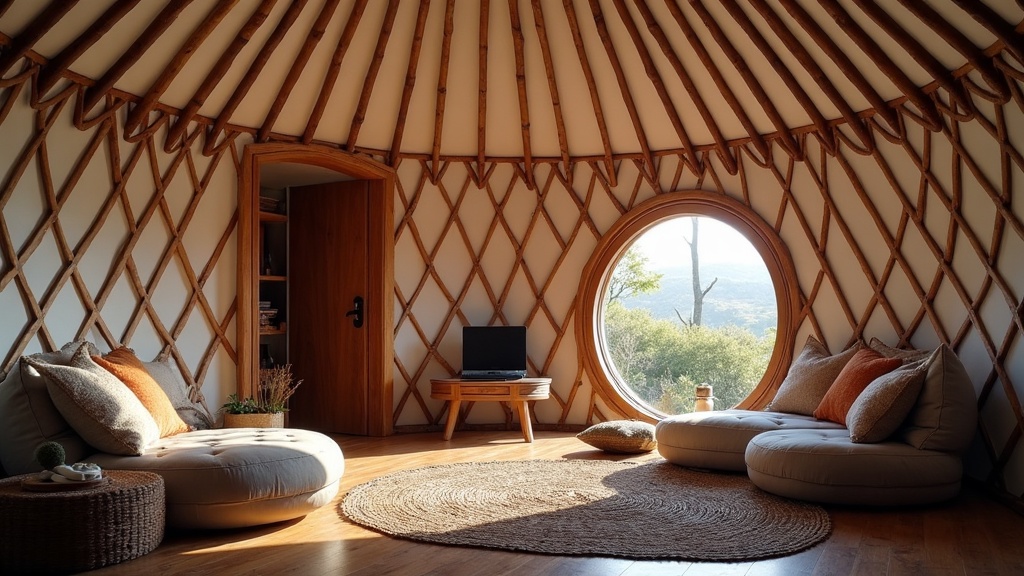
The structural integrity and interior finish of top dragon yurts dictate their overall comfort and weather resistance. Unlike basic canvas tents, these premium structures are engineered to withstand diverse climates while maintaining a warm, inviting atmosphere. The foundation relies on a circular wooden lattice wall supporting a conical roof, creating an open interior without central poles. This architectural choice maximizes usable floor space for real furniture and standard bedding.
Insulation is a critical factor that separates leading dragon yurt stays from traditional camping. High-quality models incorporate thick, insulated linings between the outer canvas and the inner fabric. This thermal barrier retains heat during colder months and keeps the interior cool in the summer. Judith Turvill, Owner and host at Dragon Orchard Retreat, explains their approach to guest comfort: “We designed our Cai and Zephyr yurts to feel like a cosy cabin inside – with proper insulation, wood‑burning stoves and real furniture – so even first‑time glampers are comfortable in all but the harshest weather” (Dragon Orchard, 2024)[1].
Heating solutions typically center around a dedicated wood-burning stove, which serves as both a functional heat source and a visual focal point. The stove pipe exits safely through a fireproof collar in the roof or wall. Furthermore, the heavy-duty canvas exterior is treated for water resistance and UV protection, ensuring the structure remains dry and durable. Proper ventilation is managed through a central roof ring, often equipped with a clear acrylic dome that can be opened to release warm air and allow for stargazing from the bed.
Scenic Locations and Natural Settings
The placement of the best dragonyurts in carefully selected natural environments enhances the immersive outdoor experience. Operators strategically position these dwellings to maximize privacy, scenic views, and connection to the surrounding landscape. Premium sites space units widely apart rather than clustering them. For instance, some wellness and nature retreats site their Mongolian and Western yurts on expansive properties, such as a 20-acre parcel in the Smoky Mountains, giving each unit generous surrounding space and uninterrupted nature views (The Heart Center, 2024)[3].
Proximity to local attractions while maintaining a sense of seclusion is another hallmark of premier dragon yurt rentals. A prime example is the rural Herefordshire location of Dragon Orchard Retreat, which places its glamping units around 8 miles from the cathedral city of Hereford, offering a balance of seclusion and access to services (Dragon Orchard, 2024)[1]. This strategic distance allows guests to enjoy a quiet rural escape while remaining close to local dining, historical sites, and supply shops.
To further blend the indoor and outdoor environments, many sites include private outdoor living spaces. Structures frequently feature a private deck area of approximately 120 square feet, providing outdoor seating and sky views directly from the accommodation (The Heart Center, 2024)[3]. These decks are ideal for morning coffee, evening relaxation, or simply listening to the local wildlife. Tori Lutz, Co-founder of Dragon Orchard Retreat, notes that “the beauty of a yurt stay is that it gives guests the comfort of a well‑made bed and hot shower while still keeping them close to the sounds, smells and rhythms of the orchard around them” (Dragon Orchard, 2024)[1].
On-Site Amenities and Guest Services
Comprehensive on-site amenities elevate a basic nature getaway into a fully serviced luxury camping retreat. While the circular tent is the main attraction, supporting facilities determine the stay’s quality. High-end sites provide en-suite or dedicated private bathroom facilities equipped with hot showers and flushing toilets, eliminating the need to share communal campground restrooms. Inside the dwelling, guests typically find a standard double bed for two adults, plus space for two additional single beds or camp beds for children, enabling flexible layouts for different guest groups (Dragon Orchard, 2024)[1].
Beyond basic sleeping and bathing arrangements, many operators offer bespoke wellness and concierge services. Guest inquiries frequently highlight the availability of specialized add-ons, such as on-site massage and wellness treatments arranged by the host for specific dates (TripAdvisor, 2024)[6]. These services allow visitors to fully unwind without leaving the property. For those interested in expanding their outdoor living knowledge, reading about sustainable outdoor gear and equipment can further enhance the preparation for such trips.
However, operating canvas-walled structures in natural environments presents unique maintenance challenges. Rodent and insect intrusion is one of the most commonly reported maintenance issues in all-yurt residential camps, affecting essentially 100 percent of canvas-walled structures without dedicated pest-control measures (Reddit r/RealEstate, 2024)[4]. To combat this, the finest dragon yurt accommodations implement rigorous mitigation strategies, including elevated wooden platforms, fine mesh screening on all vents, and regular professional pest management.
Booking Logistics and Stay Requirements
Understanding the specific booking logistics and minimum stay requirements is essential for securing the best dragon yurt accommodations. Because these boutique glamping sites feature a limited number of units, they operate differently from large-scale hotels or standard campgrounds. Availability is often restricted, and operators implement minimum stay policies to manage turnover and ensure a peaceful environment for all guests. During the standard season, bookings typically require a minimum stay of 2 nights, while peak holiday periods may enforce 3-night minimums (Dragon Orchard, 2024)[1].
Occupancy limits are strictly enforced to preserve the structural integrity and comfort of the space. Most standard units cap their maximum occupancy at 4 people per yurt, making them highly suitable for couples or small families rather than large group gatherings (Dragon Orchard, 2024)[1]. When evaluating potential bookings, guest satisfaction metrics are a reliable indicator of quality. Verified reviews for top-tier retreats often reflect exceptional hospitality, with some locations achieving an overall review score of 9.3 out of 10 (Booking.com, 2024)[2].
For travelers considering purchasing their own structure or exploring long-term setups, community feedback is invaluable. User discussions in camping and re-enactment communities consistently rate specialized manufacturers highly, with some brands receiving 5 out of 5 for product quality and customer service in individual recommendations (Facebook camping group, 2024)[5]. Regardless of whether you are renting or buying, practicing responsible outdoor ethics is crucial. We highly recommend reviewing the principles outlined by the Leave No Trace Center for Outdoor Ethics to minimize your environmental impact while enjoying these beautiful natural settings.
Important Questions About the best dragonyurts
Are these structures suitable for winter camping?
Yes, premier dragon yurt rentals are engineered for year-round use, including winter. Unlike standard canvas tents, these units feature thick insulated linings and a dedicated wood-burning stove that efficiently heats the circular interior. The thermal barrier traps warmth, while the heavy-duty exterior canvas blocks cold winds. Hosts typically provide a supply of firewood and detailed instructions for safely operating the stove. As long as guests maintain the fire and keep the roof vent partially closed to retain heat, the interior remains a warm, cozy cabin environment even in freezing temperatures.
What is the typical maximum occupancy for a single unit?
Most top dragon yurts support a maximum occupancy of 4 people per unit. This layout usually includes one standard double bed designed for two adults, alongside ample floor space to accommodate two additional single beds or camp beds for children. This capacity ensures that the interior does not feel overcrowded, allowing guests to move freely and comfortably. Operators enforce these limits strictly to maintain the structural integrity of the wooden lattice and to ensure that the heating and ventilation systems function optimally for the number of occupants inside.
Do I need to bring my own bedding and cooking equipment?
For luxury camping retreats, you rarely need to bring your own bedding or cooking equipment. The finest dragon yurt accommodations operate as fully serviced boutique glamping sites. Hosts provide high-quality linens, duvets, pillows, and towels for all guests. Cooking facilities usually include an outdoor fire pit with a grill, a dedicated camp kitchen shelter, or access to a communal kitchen equipped with basic utensils, coolers, and prep spaces. However, it is always advisable to check the specific amenity list provided by your host prior to arrival to confirm what is included.
How do operators handle pests and insects in canvas structures?
Managing pests is a critical focus for any canvas-walled accommodation. Because natural environments inherently attract insects and rodents, operators of the best dragonyurts implement strict mitigation protocols. Structures are built on elevated wooden platforms to deter ground-dwelling pests, and all windows and roof vents are fitted with fine mesh screening. Additionally, sites conduct regular professional pest control treatments around the perimeter. Guests are also encouraged to help by keeping food stored in sealed containers and ensuring the canvas door is fully zipped shut when entering or exiting the dwelling.
Comparing Yurt Styles
When selecting the ideal outdoor accommodation, it is helpful to compare the different structural approaches available. While traditional camping offers maximum flexibility, it lacks the comfort of insulated walls and real furniture. Conversely, standard cabins provide solid walls but miss the unique circular architecture and canvas ambiance. The best dragonyurts bridge this gap, offering a middle ground that combines the rustic charm of a canvas tent with the structural stability of a wooden frame.
| Accommodation Type | Wall Material | Heating Source | Setup Time |
|---|---|---|---|
| Traditional Tent | Thin Nylon/Polyester | None / Portable Gas | 10–20 Minutes |
| Wooden Cabin | Solid Timber Logs | Electric / Central Hearth | Permanent Structure |
| Premium Yurt | Heavy Canvas & Lattice | Wood-Burning Stove | 1–2 Days (Semi-Permanent) |
Practical Tips
To maximize your experience at a rural orchard retreat or woodland site, preparation is key. First, pack layers of clothing. Even with a wood-burning stove, the temperature inside a circular tent can fluctuate when the fire dies down at night. Bring warm socks and a fleece for early mornings. Second, familiarize yourself with stove safety. Always use the provided heat-resistant gloves when adding logs, and never leave the fire unattended. Keep a small bucket of water or sand nearby as a precaution.
Lighting is another important consideration. While many sites provide solar-powered lamps, bringing a reliable headlamp or rechargeable lantern makes navigating the property after dark much easier. For those interested in optimizing their camp setup, exploring our guide on off-grid lighting solutions offers excellent ideas for illuminating your space efficiently. Finally, respect the natural surroundings. Store all food in designated wildlife-proof boxes to prevent attracting local fauna, and keep noise levels down to preserve the tranquil atmosphere for neighboring guests.
For more about Best dragonyurts, see discover best dragonyurts insights.
Wrapping Up
Choosing the right accommodation can completely transform your nature getaway. The best dragonyurts offer an unparalleled blend of rustic charm, architectural beauty, and modern comfort, making them a top choice for eco-friendly lodging. Whether you are drawn to the cozy warmth of a wood-burning stove or the peaceful ambiance of a private orchard deck, these unique structures provide a memorable escape from daily routines. Ready to plan your next outdoor adventure? Browse our comprehensive directory of top glamping destinations and retreats to find the perfect circular tent for your upcoming trip.
Useful Resources
- Glamping yurts at Dragon Orchard: sleeping under canvas in an English apple orchard. Dragon Orchard.
https://www.dragonorchard.co.uk/glamping-yurts - 44 verified reviews of Dragon Orchard Retreat. Booking.com.
https://www.booking.com/reviews/gb/hotel/dragon-orchard-retreat.html - Yurt Rentals in the Smoky Mountains. The Heart Center.
https://www.theheartcenter9.com/yurt-rentals-smoky-mountains - Yurts: Has anyone lived in one? What are your experiences? Reddit r/RealEstate.
https://www.reddit.com/r/RealEstate/comments/v8llg9/yurts_has_anyone_lived_in_one_what_are_your/ - What are good recommendations for tents, pavilions, or yurts? Facebook camping and re-enactment gear group.
https://www.facebook.com/groups/1088439022048357/posts/1809169196641999/ - Dragon Yurt questions and answers on TripAdvisor. TripAdvisor.
https://www.tripadvisor.com/FAQ_Answers-g2019505-d2235197-t798917-Hi_I_ve_booked_the_Dragon_Yurt_for_10_11_June.html