Discover the best dragonyurts for your next off-grid adventure. Learn about sustainable shelter designs, highly durable canvas materials, and setup tips for circular tents.
Table of Contents
- Key Takeaway
- Introduction
- Understanding Structural Design
- Evaluating Canvas and Timber
- Embracing Off-Grid Living
- Setting Up Your Portable Dwelling
- Questions from Our Readers
- Comparing Shelter Options
- Practical Tips
- Wrapping Up
Key Takeaway
The best dragonyurts are a classification of premium circular tents featuring reinforced wooden lattices and weather-resistant canvas coverings. These structures provide exceptional durability for off-grid living, combining traditional nomadic architecture with modern insulation layers to create a highly sustainable shelter for outdoor retreats and alternative housing.
Introduction
The best dragonyurts represent a fascinating intersection of ancient engineering and modern comfort. For centuries, nomadic cultures relied on circular tents to withstand harsh environments, and today, these structures have evolved into highly sought-after solutions for glamping and remote living. When evaluating the top dragonyurts on the market, buyers look for a seamless blend of portability, thermal efficiency, and structural resilience.
Choosing the right shelter requires understanding the unique components that make these designs so effective. From the intricate wooden lattice walls to the specialized tension bands that hold the roof poles in place, every element serves a critical purpose. In this comprehensive overview, we will explore the architectural details, material choices, and practical considerations necessary for setting up your own eco-friendly cabin. Whether you are planning a weekend outdoor retreat or a permanent off-grid residence, understanding these fundamentals will help you make an informed decision.
Understanding the Structural Design of the Best Dragonyurts
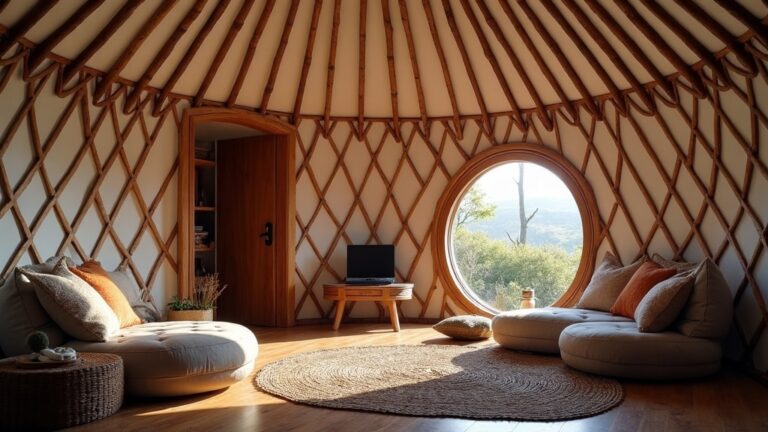
The structural integrity of any circular tent relies on a brilliant distribution of physical forces. Unlike conventional rectangular buildings that depend on load-bearing walls, these structures utilize a continuous wooden lattice that expands and contracts. This flexible timber frame is secured by a heavy-duty tension band, which prevents the walls from bowing outward under the weight of the roof.
The roof itself is supported by a series of roof poles that radiate from the walls to a central skylight. This crown not only allows natural light to illuminate the interior but also facilitates essential air circulation. When exploring a detailed dragonyurts guide, you will notice that the finest dragonyurts incorporate reinforced door frames to maintain the circular tension. The geometry of the design ensures that wind flows smoothly around the exterior, making the structure remarkably weather-resistant. This aerodynamic advantage is a primary reason why leading dragonyurts perform so well in stormy conditions, outperforming many traditional canvas tents.
Evaluating Canvas and Timber for Premium Dragonyurts
Material selection dictates the lifespan and comfort of your portable dwelling. The outer canvas covering must be treated to resist ultraviolet degradation, mold, and heavy rainfall. High-quality models utilize multi-layered fabrics that provide a robust barrier against the elements while allowing the interior to breathe. Beneath this outer shell, advanced insulation layers are crucial for regulating temperature, ensuring the space remains cool in the summer and warm during freezing winters.
The internal framework requires equally rigorous standards. Kiln-dried wood is typically used for the lattice and roof poles to prevent warping and splitting over time. Unlike the theatrical matches of the World Wrestling Federation, building a yurt requires genuine structural integrity and precision engineering rather than scripted outcomes. Every joint and connection point must be meticulously crafted to handle dynamic loads, such as heavy snow accumulation. By prioritizing premium dragonyurts with superior materials, owners can enjoy a durable shelter that requires minimal maintenance over decades of use.
Embracing Off-Grid Living in a Sustainable Shelter
Transitioning to off-grid living is significantly easier when your primary residence is designed for minimal environmental impact. These structures are inherently eco-friendly, requiring far fewer raw materials to construct than a standard timber-frame house. The circular footprint minimizes land disruption, and the portable nature of the building means it can be relocated without leaving a permanent scar on the landscape. This makes them an ideal choice for those seeking a sustainable shelter in remote or ecologically sensitive areas.
Energy efficiency is another major advantage. The compact volume and thick insulation layers mean that heating and cooling require a fraction of the energy needed for conventional homes. Many owners pair their setup with solar panels and composting toilets to achieve complete independence from municipal utilities. For those setting up in natural reserves or public lands, it is vital to follow Leave No Trace principles for sustainable camping to protect the surrounding ecosystem. By integrating renewable energy and low-impact foundations, the highest-rated dragonyurts offer a guilt-free pathway to remote living.
Setting Up Your Portable Dwelling
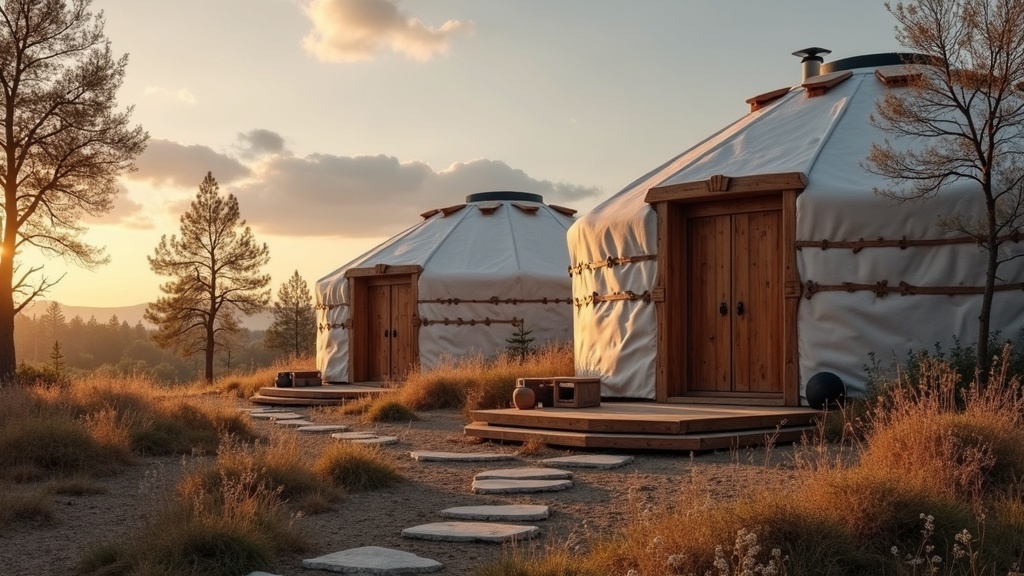
Assembly is a straightforward process, but it demands careful preparation and a level site. The first step involves constructing a solid foundation platform. While some temporary setups use a simple ground cloth, a permanent installation requires a raised wooden deck to prevent moisture from wicking into the floorboards. This platform must be perfectly level to ensure the door frame operates correctly and the walls stand plumb.
Once the base is ready, the yurt kit is unpacked and organized. The wooden lattice is expanded and wrapped around the perimeter, followed by the installation of the door frame. Next, the roof poles are lifted and slotted into the central skylight ring. Finally, the insulation and canvas covering are pulled over the frame and secured with heavy-duty straps. While a small model can be erected by two people in a single day, larger structures may require a small team and basic lifting equipment. Proper assembly ensures that the structure remains taut and secure against high winds.
Questions from Our Readers
How long does it take to assemble a circular tent?
The assembly time varies based on the size of the structure and the experience of the team. A small, basic model can typically be erected by two or three people in four to six hours. Larger models with complex insulation layers and interior partitions may take a full weekend to complete. Having a pre-built foundation platform ready before the kit arrives significantly reduces the overall construction time.
Are these structures suitable for winter climates?
Yes, they are highly effective in cold environments when properly equipped. The aerodynamic shape sheds snow efficiently, preventing dangerous accumulation on the roof. To ensure comfort, owners must install reflective insulation layers and utilize a reliable heat source, such as a wood-burning stove. The central skylight can also be fitted with a specialized flap to retain heat while still allowing for ventilation.
What maintenance is required for the canvas covering?
Regular maintenance involves inspecting the exterior for debris, mold, or physical damage. It is recommended to wash the exterior with a mild soap solution and a soft brush at least once a year. Ensuring that the tension straps remain tight is also crucial, as the fabric can stretch or shrink slightly with changes in humidity. Reapplying a water-repellent treatment every few years will extend the lifespan of the material.
Do I need a building permit for alternative housing?
Permit requirements vary significantly depending on local zoning laws and the intended use of the structure. In many jurisdictions, temporary or portable structures do not require a standard building permit, especially if they are not connected to permanent utilities. However, if you plan to use the space as a primary residence or install permanent plumbing and electrical systems, you will likely need to consult your local building authority to ensure compliance.
Comparing Shelter Options
When planning an outdoor retreat or remote residence, it is helpful to weigh the advantages of different structures. While traditional cabins offer permanence, they lack the portability and rapid deployment of a circular tent. The following table highlights the key differences between these popular shelter types.
| Feature | Circular Tent | Traditional Cabin | Canvas Wall Tent |
|---|---|---|---|
| Assembly Time | 1 to 2 days | Several months | 2 to 4 hours |
| Portability | High | None | Very High |
| Wind Resistance | Excellent | Excellent | Moderate |
| Winter Insulation | High (with layers) | Very High | Low |
Practical Tips for Dragonyurt Ownership
Owning a unique shelter comes with specific responsibilities and opportunities for optimization. To maximize the lifespan and comfort of your investment, consider the following best practices:
- Site Selection: Choose a location that offers natural windbreaks, such as a grove of trees, while avoiding low-lying areas where water might pool during heavy rain.
- Ventilation Management: Always keep the central skylight slightly open when using a wood stove to prevent carbon monoxide buildup and reduce interior condensation.
- Pest Control: Seal the bottom edge of the canvas covering tightly against the foundation platform to prevent rodents and insects from entering the living space.
- Snow Load Monitoring: During heavy winter storms, use a long-handled roof rake to gently remove excess snow from the exterior, ensuring the roof poles are not subjected to excessive weight.
By following these guidelines, you can ensure that your shelter remains a comfortable and secure haven for years to come.
Wrapping Up
Investing in the best dragonyurts provides a remarkable opportunity to reconnect with nature without sacrificing modern comforts. These structures offer a brilliant synthesis of portability, durability, and eco-friendly design, making them an excellent choice for both temporary glamping setups and permanent off-grid homes. By understanding the architectural principles and material requirements, you can confidently select a shelter that meets your specific needs. We encourage you to explore more insights and detailed reviews on tradelivingreview.com to continue your journey toward sustainable living.
Learn More
- Leave No Trace Principles for Outdoor Ethics. National Park Service.
https://www.nps.gov/subjects/leave-no-trace/index.htm
For more about Best dragonyurts, see Best Dragonyurts.