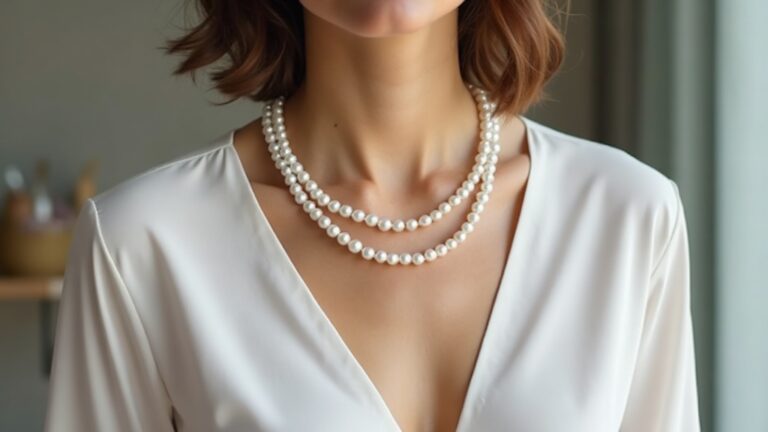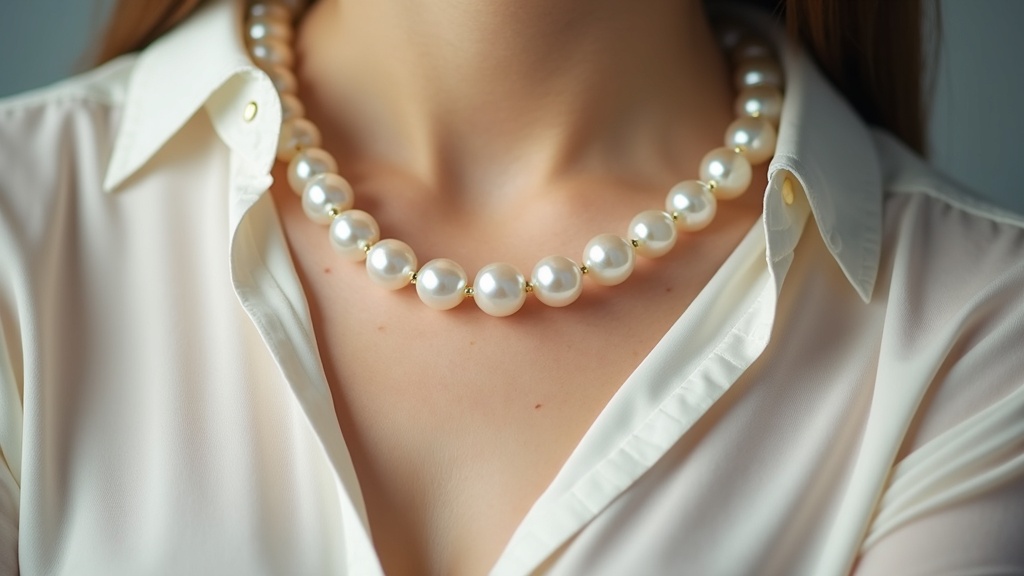
Discover how to choose the best freshwaterpearlnecklace for your collection. Learn about luster, grading, and styles in our comprehensive jewelry guide today.
Table of Contents
- Key Takeaway
- Quick Stats: best freshwaterpearlnecklace
- Introduction
- Understanding Luster and Nacre
- Evaluating Surface Quality
- Shapes and Sizes in the best freshwaterpearlnecklace
- Market Trends and Value
- Important Questions About the best freshwaterpearlnecklace
- Comparison
- Practical Tips
- Wrapping Up
Key Takeaway
The best freshwaterpearlnecklace is a strand of cultured gems prized for high luster, thick nacre, and accessible pricing. Selecting the ideal piece requires evaluating surface quality, shape consistency, and overtone to ensure lasting beauty and exceptional value for everyday wear or special occasions.
Quick Stats: best freshwaterpearlnecklace
- Global demand for cultured pearls is projected to grow at a 7.6% CAGR between 2024 and 2030 (IMARC Group, 2024)[1].
- Necklaces account for 38% of global pearl jewelry revenue, making them the largest product segment (IMARC Group, 2024)[1].
- China produces over 90% of the world’s freshwater cultured pearls by volume (Food and Agriculture Organization of the United Nations, 2024)[2].
- In 2024, 61% of US pearl jewelry buyers chose freshwater pearls primarily for their price-to-quality ratio (Jewelers of America, 2024)[3].
Introduction
The best freshwaterpearlnecklace selections have transformed the modern jewelry market, offering consumers a brilliant combination of affordability and elegance. Unlike their saltwater counterparts, these cultured gems are produced in mussels, yielding multiple pearls per harvest and driving down costs without sacrificing visual appeal. Shoppers seeking the perfect strand must navigate various grading factors, from mirror-like reflections to subtle pastel overtones. This guide breaks down the essential characteristics that define top-tier pieces, helping you make an informed purchase. We will explore the critical roles of luster and nacre thickness, examine how surface blemishes impact overall value, and review the diverse shapes available to suit any personal style. By understanding these core elements, you can confidently select a stunning piece that elevates your wardrobe.
Understanding Luster and Nacre
The most critical factor in evaluating any pearl strand is its luster, which refers to the sharpness and intensity of light reflecting off the surface. High-quality freshwater pearls today can rival the beauty of traditional saltwater pearls, offering excellent luster, near-round shapes and thick nacre at a more accessible price point for consumers (Gemological Institute of America, 2024)[4]. This brilliant reflection is directly tied to the nacre, the crystalline substance secreted by the mollusk during cultivation. Thicker nacre layers not only enhance the visual depth but also ensure the structural durability of the gem.
When assessing a potential purchase, look for a sharp, mirror-like reflection rather than a dull or chalky appearance. The best specimens exhibit a deep, glowing overtone that seems to emanate from within the gem itself. This optical phenomenon is highly prized by gemologists and collectors alike. Because cultivation techniques have advanced significantly over the past decade, modern farms are producing exceptionally thick nacre layers that rival the finest Akoya varieties.
Evaluating this characteristic requires examining the gems under consistent, diffused lighting. Avoid relying solely on harsh spotlights, which can artificially enhance the appearance of lower-grade items. Instead, observe how the light behaves across the entire strand. A uniform, bright reflection indicates superior cultivation practices and careful harvesting. For those looking to expand their knowledge, reviewing a gemological overview of cultured pearls can provide deeper insights into industry standards.
Ultimately, prioritizing strong reflections ensures that your jewelry maintains its brilliance over decades of wear. Reading a detailed freshwaterpearlnecklace guide will help you distinguish between premium and commercial grades.
Evaluating Surface Quality
Surface quality dictates the cleanliness and smoothness of each individual gem, playing a massive role in the overall valuation of the strand. The most important criteria for choosing the best freshwaterpearlnecklace are luster and surface quality; shape and size are largely driven by style preferences, but strong, mirror-like luster is what makes a strand truly exceptional (Vogue, 2024)[5]. While no natural gem is entirely flawless, top-tier selections feature minimal blemishes, spots, or ridges that are visible to the naked eye.
Minor imperfections, such as tiny pits or subtle wrinkles, are common and often serve as proof of natural origin. However, these flaws should not disrupt the overall uniformity of the strand. When inspecting a piece, roll the strand slowly between your fingers under a soft light to check for consistency. Severe blemishes, deep cracks, or chalky patches significantly reduce both the aesthetic appeal and the structural integrity of the jewelry.
Retailers often categorize surface cleanliness into distinct grades, ranging from clean to heavily blemished. For a classic, elegant look, aim for pieces graded as clean or very slightly blemished. These minor characteristics are typically hidden by the drill holes or masked by the setting. It is also important to consider how the jewelry will be worn; pieces intended for daily use should have robust surfaces that resist chipping.
Proper maintenance is equally crucial for preserving this pristine condition. Regular cleaning and safe storage prevent surface degradation over time. Learning how to practice always better care routines will protect the delicate nacre from harsh chemicals and environmental pollutants, ensuring your investment remains beautiful for years to come.
Shapes and Sizes in the best freshwaterpearlnecklace
The physical dimensions and geometric forms of these gems offer unparalleled versatility in modern jewelry design. Modern cultivation techniques have led to an extraordinary diversity of sizes and natural pastel colors, allowing designers to create accessible but luxurious statement pieces. While perfectly round gems command the highest premiums, off-round, oval, and baroque shapes have surged in popularity among fashion-forward consumers.
Size is measured in millimeters, with standard strands typically ranging from 6mm to 9mm. Larger gems, exceeding 10mm, are considerably rarer and thus more expensive, especially when they maintain high luster and clean surfaces. The choice of size often depends on the wearer’s age, neckline, and personal style. Smaller dimensions offer a delicate, understated elegance, while larger sizes create a bold, dramatic presence.
Baroque and keshi shapes, characterized by their irregular, asymmetrical forms, provide a unique, organic aesthetic that appeals to contemporary designers. These non-traditional shapes celebrate the natural cultivation process, ensuring that no two strands are exactly alike. When selecting the best freshwaterpearlnecklace, consider how the shape complements your wardrobe. Classic round or near-round strands are ideal for formal events and professional settings, whereas baroque styles pair beautifully with casual or bohemian attire.
Color also plays a significant role in the selection process. While classic white remains a timeless staple, natural pastel hues like peach, lavender, and soft pink offer vibrant alternatives without the need for artificial dyes. Understanding the interplay between size, shape, and color allows buyers to curate a collection that reflects their individual personality and fashion sensibilities.
Market Trends and Value
The contemporary jewelry market has seen a significant shift toward these accessible yet luxurious accessories, driven by changing consumer preferences and improved cultivation techniques. The best freshwaterpearlnecklace options have become the go-to everyday strand for many retailers because they combine durability, fashion-forward shapes and colors, and a value proposition that’s hard to match in other pearl types (National Jeweler, 2024)[6]. This surge in demand reflects a broader trend toward versatile, high-quality pieces that transition seamlessly from day to night.
Value is determined by a combination of the factors discussed previously: luster, surface quality, shape, size, and color. Unlike saltwater varieties, which are often priced at a steep premium, these cultured gems offer exceptional value without compromising on beauty. Buyers consistently recognize this advantage when comparing different jewelry categories and building a comprehensive pearl necklace collection.
Retailers and independent jewelers have noted this shift, stocking a wider variety of strands to meet growing consumer interest. The average retail price range for a high-quality 16–18 inch white freshwater pearl necklace in the US was reported between $250 and $900 in 2024, depending on size and grade (National Jeweler, 2024)[6]. This accessible price point makes them an attractive option for both first-time buyers and seasoned collectors.
Furthermore, the rise of e-commerce and specialized online boutiques, such as those featured on freshwaterpearlnecklace.com, has made it easier than ever to find unique designs, including custom silhouettes and modern clasps. As the market continues to expand, buyers benefit from increased transparency, better grading standards, and a wider selection of styles than ever before.
Important Questions About the best freshwaterpearlnecklace
How do I determine the right length for my strand?
Choosing the correct length depends on your neckline and personal preference. A 16-inch choker sits snugly against the base of the neck, ideal for open collars and formal wear. An 18-inch princess length is the most versatile, resting just below the collarbone and complementing almost any outfit. For a more dramatic, layered look, consider a 24-inch opera length or a 30-inch rope length. Always measure your neck and consider the types of garments you plan to wear with the jewelry before making a final decision.
Are cultured gems considered real or fake?
Cultured gems are absolutely real. The only difference between natural and cultured varieties is how the process begins. In cultured gems, a technician intentionally introduces an irritant into the mollusk to stimulate nacre production. The mollusk then secretes layers of nacre over several months or years, creating a genuine gem. Because natural pearls are exceedingly rare and expensive, nearly all authentic pearl jewelry on the market today is cultured. They possess the same physical, chemical, and optical properties as their wild counterparts.
What is the best way to clean and store my jewelry?
To maintain their luster, wipe your gems with a soft, damp cloth after each wear to remove oils and perspiration. Never use ultrasonic cleaners, steam cleaners, or harsh chemicals, as these can strip the delicate nacre. When storing, keep them in a soft pouch or a lined jewelry box away from harder gemstones that could scratch the surface. It is also advisable to put your jewelry on last when getting dressed, ensuring it does not come into contact with perfumes, hairsprays, or cosmetics.
Why do some strands have a higher price tag than others?
Price variations are primarily driven by the quality of the luster, surface cleanliness, roundness, and size. Strands featuring perfectly round gems with mirror-like reflections and zero visible blemishes require meticulous sorting and command premium prices. Additionally, larger dimensions are rarer and thus more expensive. The type of clasp, the quality of the stringing, and the brand reputation also influence the final retail cost. Understanding these grading factors helps justify the price differences between commercial and fine jewelry pieces.
Comparison
When shopping for pearl jewelry, buyers often weigh different cultivation types to find the perfect balance of beauty and budget. Understanding the distinct characteristics of each variety helps consumers make an informed decision that aligns with their style and financial expectations.
| Feature | Freshwater | Akoya | South Sea |
|---|---|---|---|
| Best for | Everyday wear and best freshwaterpearlnecklace value | Classic formal elegance | Luxury statement pieces |
| Luster | Soft, glowing, mirror-like | Sharp, bright, mirror-like | Deep, satiny, luxurious |
| Price Range | $250 – $900 | $500 – $2,500 | $1,000 – $10,000+ |
| Common Sizes | 6mm – 12mm | 6mm – 9mm | 9mm – 20mm |
Practical Tips
Selecting and maintaining your jewelry requires attention to detail and a few smart purchasing strategies. First, always buy from reputable jewelers who provide clear grading information and return policies. Request a certificate of authenticity or a detailed grading report for high-value pieces to ensure you are getting exactly what you pay for.
When trying on a strand, observe it in natural daylight if possible. Store lighting can sometimes mask dullness or enhance colors artificially. Check the drill holes for neatness; clean, small holes indicate careful craftsmanship, while large, jagged holes suggest mass production and lower quality.
Consider the clasp mechanism carefully. A sturdy lobster clasp or a secure box clasp with a safety latch is essential for heavier strands. For those interested in unique designs, explore options like custom silhouettes or modern geometric pendants that add a contemporary twist to the classic strand. Finally, have your jewelry professionally restrung every one to two years if worn frequently, as the silk thread can stretch and weaken over time, risking a sudden break.
Wrapping Up
Finding the perfect best freshwaterpearlnecklace involves balancing luster, surface quality, and personal style preferences. These versatile gems offer exceptional value and timeless elegance, making them a staple in any jewelry collection. By understanding the key grading factors and market trends, you can confidently select a piece that brings joy for decades. Explore more insightful jewelry guides and styling advice right here on tradelivingreview.com to continue building your perfect accessory wardrobe.
Sources & Citations
- Pearls Market Size, Share, Trends and Forecast. IMARC Group.
https://www.imarcgroup.com/pearls-market - Fishery and Aquaculture: Pearl Oyster. Food and Agriculture Organization of the United Nations.
https://www.fao.org/fishery/en/culture/pearl-oyster - Pearl Jewelry Consumer Insights 2024. Jewelers of America.
https://www.jewelers.org/ja/consumer-resources/jewelry-trends/1255-pearl-jewelry-consumer-insights-2024 - GIA Education: Freshwater Cultured Pearls Overview. Gemological Institute of America.
https://www.gia.edu/freshwater-cultured-pearls - How to Buy Pearls Like a Pro. Vogue.
https://www.vogue.com/article/how-to-buy-pearls-guide - Pearls Remain a Bright Spot in the Jewelry Case. National Jeweler.
https://nationaljeweler.com/articles/13807-why-pearls-are-still-a-top-jewelry-category
For more about Best jewelry gifts for cat enthusiasts, see Best Jewelry Gifts For Cat Enthusiasts.