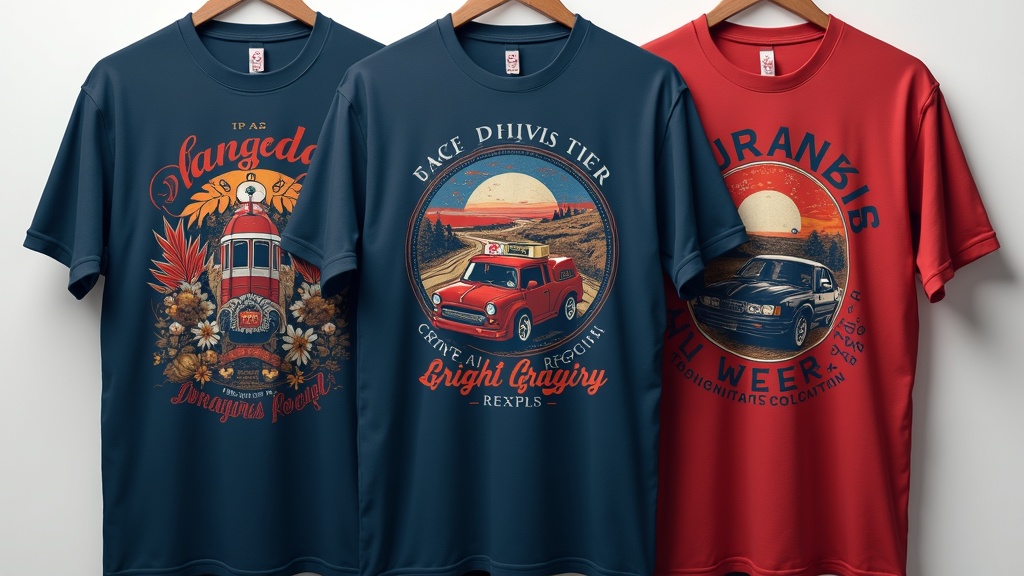
Learn how to create awesome t shirt designs that sell in 2026. This guide covers top trends, practical design tips, and market insights for print-on-demand and custom apparel sellers.
Table of Contents
- The Anatomy of an Awesome T Shirt Design
- Top Trends Shaping T Shirt Graphics in 2026
- Practical Design Tips for Standout Apparel
- How to Choose the Right Printing Method
- Frequently Asked Questions
- Comparison of Design Approaches
- Practical Tips for Success
- Final Thoughts on Awesome T Shirt Designs
- Useful Resources
Market Snapshot
- The global custom t-shirt printing market is projected to reach $10.3 billion by 2028 (Grand View Research, 2024)[1].
- Graphic designs accounted for approximately 59% of revenue share in the custom t-shirt printing market in 2023 (Grand View Research, 2024)[1].
- 53% of US online shoppers purchased customized apparel such as printed t-shirts in the previous 12 months (Statista, 2024)[2].
Creating awesome t shirt designs is both an art and a science. Whether you are a print-on-demand seller, a custom apparel brand, or a hobbyist looking to launch a line, understanding what makes a design work is the first step to success. The market is competitive, but the opportunities are vast. This article will walk you through the core principles of effective t-shirt graphics, the most relevant trends for 2026, practical creation tips, and how to choose the right production method to bring your ideas to life.
The Anatomy of an Awesome T Shirt Design
An awesome t shirt design starts with a single, strong idea. As graphic designer Chris Spooner notes, the key is to “start with a strong, single idea – a phrase, symbol, or character – and then build everything else around making that one idea instantly readable from six feet away” (Spoon Graphics, 2025)[3]. This principle of instant readability is the foundation of all great apparel graphics.
Beyond the core concept, several elements contribute to a design’s success. Color contrast is critical; a design that blends into the shirt fabric will be ignored. High-contrast color combinations, such as white ink on a dark shirt or a vibrant graphic on a neutral background, ensure the design pops. Typography also plays a major role, especially for text-based designs. The font choice should match the mood of the message – hand-drawn lettering for a personal feel, or bold sans-serif for a modern statement.
Placement and scale are equally important. The classic center chest print remains popular, but oversized back prints have become a major trend. Katie Bradley, Lead Designer at UberPrints, observes that “oversized back prints paired with minimalist fronts are the go‑to layout for awesome t‑shirt designs in 2026 – they turn the tee into a walking poster while keeping the front clean and wearable” (UberPrints, 2026)[4]. This layout strategy maximizes visual impact without overwhelming the wearer.
Finally, consider the fabric and color of the t-shirt itself. A design that works on a white tee may look completely different on a black or heather grey shirt. Always preview your design on the actual garment color you plan to use. For more in-depth guidance on starting your design journey, you can explore the tshirtinsight guide for a structured approach to building your brand.
Top Trends Shaping T Shirt Graphics in 2026
The landscape of t-shirt design is constantly evolving, and 2026 is no exception. Staying current with trends is essential for creating designs that resonate with buyers. Gaby Arenas, Head of Content at Vexels, explains that “for t‑shirt sellers in 2026, the designs that stand out are the ones that feel like a small world on fabric – detailed scenes, layered textures, and storytelling elements that reward a second look” (Vexels, 2026)[5]. This move toward intricate, narrative-driven graphics marks a shift from simple logos to more immersive visuals.
Nostalgia continues to be a powerful driver, but with a modern twist. Bethany McCamish, designer and creator of the Printful T-Shirt Design Trends guide, states that “the most effective t‑shirt graphics right now are rooted in nostalgia but executed with contemporary color and type – think retro-futurism, Y2K, and 90s aesthetics reimagined with modern palettes” (Printful, 2026)[6]. This blend of old and new creates a sense of familiarity while feeling fresh and relevant.
Simplicity is not dead; it has just transformed. Simple text-based designs remain popular, but the execution has changed. Mary Grace Garis, Content Marketing Manager at Bonfire, notes that “simple text-based t‑shirts continue to dominate in 2026, but we’re seeing a clear shift toward hand-drawn and imperfect lettering as people look for designs that feel more human in an AI-saturated landscape” (Bonfire, 2026)[7]. This trend towards authenticity and the human touch is a direct response to the rise of AI-generated graphics.
Sustainability is also influencing design choices. With sustainably produced t-shirts accounting for around 27% of new fashion product listings in 2024 (UN Environment Programme and Berlin Economics, 2024)[8], designs that communicate eco-conscious values or use nature-inspired motifs are gaining traction. This trend aligns with consumer demand for products that reflect their personal values, as 65% of US buyers of custom products cite personality expression as their main reason for purchase (Statista, 2024)[2].
Practical Design Tips for Standout Apparel
Creating awesome t shirt designs requires more than just a good idea; it demands a solid technical and creative process. Here are some actionable tips to elevate your work. First, always work in vector format. Programs like Adobe Illustrator or free alternatives like Inkscape allow you to create scalable designs that look crisp at any size. Raster images can become pixelated when enlarged for back prints.
Second, limit your color palette. While full-color photographic designs are possible with DTG printing, most screen printing setups charge per color. A 2-4 color design is cost-effective and often more visually impactful than a rainbow of hues. Think in terms of layers and shading rather than gradients. This approach also aligns with the trend towards bold, readable graphics.
Third, test your design at actual print size. A design that looks perfect on a 15-inch monitor may feel tiny or cluttered on a t-shirt. Print a mock-up at 100% scale and view it from a distance. If you can’t read the text or identify the main image from six feet away, simplify it. This rule applies to both front and back prints.
Finally, consider the psychology of color. Different colors evoke different emotions. Blue conveys trust and calm, red signifies energy and passion, and black suggests sophistication or rebellion. Choose a color scheme that matches the message of your design. For inspiration, you might look at other successful niches, such as the best silver cat jewelry designs, which often use color to evoke specific moods and attract a dedicated audience.
How to Choose the Right Printing Method
The method you choose to produce your awesome t shirt designs has a direct impact on the final look, feel, and cost. The three most common methods are screen printing, direct-to-garment (DTG), and heat transfer. Screen printing is the industry standard for large runs. It offers vibrant, durable colors and a soft hand feel. It held more than 55% of global custom t-shirt printing revenue in 2023 (Grand View Research, 2024)[1]. However, it is less economical for small orders due to setup costs.
Direct-to-garment (DTG) printing is ideal for small batches and highly detailed, full-color designs. It works like a printer, depositing ink directly onto the fabric. DTG is projected to grow at a CAGR of 8.3% between 2024 and 2030 (Allied Market Research, 2024)[9], driven by the rise of print-on-demand. The downside is that it can be slower per unit and less durable than screen printing on certain fabrics.
Heat transfer (e.g., sublimation, vinyl) is a versatile option for small runs and complex designs. Sublimation works best on polyester fabrics and produces permanent, vibrant colors. Vinyl transfer is great for simple, solid-color designs. Both methods have lower setup costs but may not be as breathable or durable as screen printing. The choice ultimately depends on your budget, order volume, and design complexity. A print-on-demand seller will likely favor DTG, while a brand producing 500 units of a single design will benefit from screen printing.
Important Questions About Awesome T Shirt Designs
What defines an awesome t shirt design?
What are the top t-shirt design trends for 2026?
How do I choose between screen printing and DTG?
What software should I use to design t-shirts?
Comparison of Design Approaches
Choosing the right design approach is crucial for aligning with your brand and production capabilities. The table below compares three common strategies for creating awesome t shirt designs.
| Approach | Best For | Key Strength | Key Weakness |
|---|---|---|---|
| Minimalist Text-Based | Brand slogans, motivational quotes, humor | Fast to produce, high readability, low print cost | Can be generic if not paired with strong typography |
| Detailed Graphic Illustration | Niche communities, artists, storytelling | High perceived value, strong emotional connection | Higher production cost (DTG), complex to design |
| Nostalgia-Fused Modern | Millennials, Gen Z, retro enthusiasts | Trend-aligned, broad appeal, versatile | Requires careful balance to avoid looking dated |
Practical Tips for Success
To succeed in the competitive world of t-shirt design, focus on these actionable strategies. First, validate your design before printing. Use mock-up generators and social media polls to gauge interest. A simple post on Instagram or Pinterest can tell you if a design has potential before you invest in inventory.
Second, build a consistent brand aesthetic. Whether you focus on minimalist text, detailed illustrations, or nostalgic themes, a cohesive style helps you build a recognizable brand. This makes it easier for customers to return and buy more. Your designs should tell a story that your target audience wants to be a part of.
Third, optimize for the platform. If you are selling on a print-on-demand platform like Printful or Teespring, follow their specific guidelines for file size, resolution, and bleed areas. A design that is technically perfect will have fewer production issues. Also, consider the shirt color and fabric; as mentioned, a design on a white tee may need adjustments for a black tee.
Finally, stay educated. The t-shirt design market is dynamic. Follow industry blogs, study successful sellers, and keep an eye on fashion trends. Understanding the broader context of your niche will help you anticipate what customers will want next. For a deeper dive into the psychology of successful designs, consider reading about t-shirt design trends for 2026.
For more about Awesome t shirt designs, see explore awesome t shirt designs in depth.
Final Thoughts on Awesome T Shirt Designs
Creating awesome t shirt designs is a rewarding process that combines creativity with market awareness. By focusing on a strong, single concept, staying current with trends like hand-drawn lettering and nostalgic themes, and choosing the right printing method, you can create apparel that resonates with buyers. The market is expected to grow significantly, with the custom t-shirt printing sector projected to reach $10.3 billion by 2028. Now is the perfect time to refine your skills and launch your designs. To continue your journey, explore more resources and strategies on tshirtinsight guide.
Useful Resources
- Custom T-Shirt Printing Market Size, Share & Trends Analysis Report. Grand View Research.
https://www.grandviewresearch.com/industry-analysis/custom-t-shirt-printing-market - U.S. consumers purchasing customized products. Statista.
https://www.statista.com/statistics/1250856/us-consumers-purchasing-customized-products/ - How to Design a T-Shirt That Actually Sells. Spoon Graphics.
https://blog.spoongraphics.co.uk/articles/how-to-design-a-t-shirt-that-actually-sells - Top 10 Custom T-Shirt Trends for 2026. UberPrints.
https://blog.uberprints.com/top-10-t-shirt-trends-for-2026/ - 26 T-Shirt Design Trends for Print on Demand in 2026. Vexels.
https://www.vexels.com/blog/26-t-shirt-design-trends-for-print-on-demand/ - T-Shirt Design Trends 2026: What Sells Now. Printful.
https://www.printful.com/blog/t-shirt-design-trends - 24 Most Popular T-Shirt Design Trends for 2026. Bonfire.
https://www.bonfire.com/blog/t-shirt-design-trends/ - Sustainability claims in online fashion retail. UN Environment Programme and Berlin Economics.
https://www.unep.org/resources/report/sustainability-claims-online-fashion-retail - Direct-to-Garment Printing Market. Allied Market Research.
https://www.alliedmarketresearch.com/direct-to-garment-printing-market