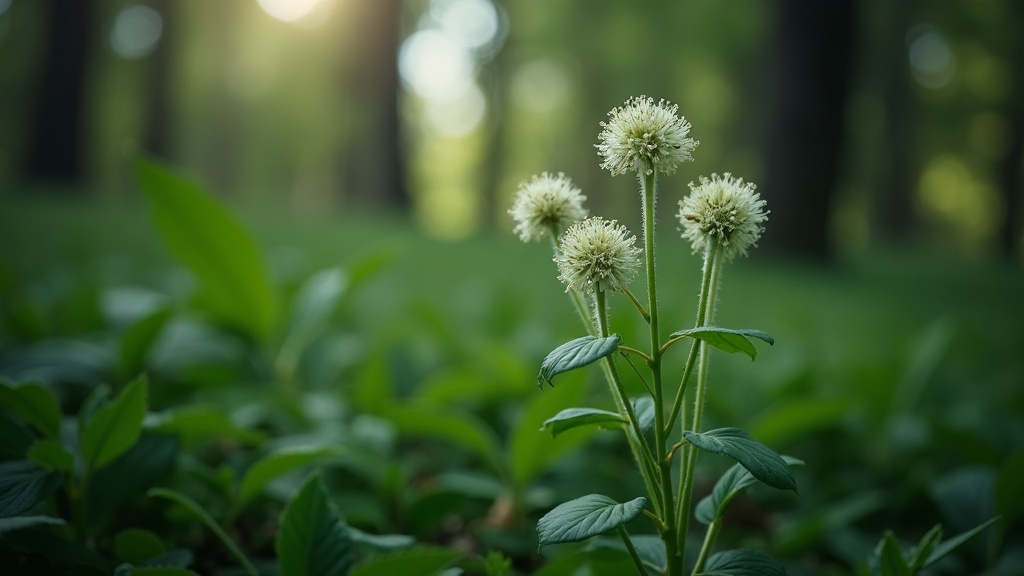
Read our detailed creepinghemlock guide to learn about planting prostrate conifers, optimizing mulch depth, and removing toxic weed lookalikes safely.
Table of Contents
- Understanding the Creepinghemlock Guide Principles
- Spacing and Mulching Best Practices
- Avoiding the Poisonous Lookalike
- Eradicating the Toxic Weed Invader
- What People Are Asking
- Comparison
- Practical Tips
For more about Article creation guide, see get expert advice on article creation guide.
Key Takeaway
The creepinghemlock guide is a comprehensive resource for cultivating prostrate evergreen conifers in shaded landscapes. It covers proper spacing, mulching techniques, and crucial identification methods to distinguish these safe groundcovers from highly toxic invasive weed species.
By the Numbers
- Full-sized hemlocks require 20-30 feet of spacing, while dwarf and prostrate cultivars need only 3-6 feet (Plant Detectives, 2023)[1].
- The recommended mulch depth for hemlock landscape planting is 2-3 inches to regulate soil temperature (Plant Detectives, 2023)[1].
- Poison hemlock is officially listed as invasive in 2 states, specifically Arizona and New Mexico (US Forest Service, 2024)[2].
- Repeated tillage at 3 weeks between cultivation intervals helps exhaust poison hemlock seed banks (US Forest Service, 2024)[2].
The strategies outlined in this creepinghemlock guide are essential for gardeners looking to establish lush, shade-tolerant groundcovers. Prostrate hemlock cultivars offer a beautiful, low-maintenance alternative to traditional lawns, thriving in areas where other plants struggle. However, cultivating these evergreen conifers requires specific knowledge regarding soil preparation, canopy spread, and ongoing maintenance. Furthermore, gardeners must remain vigilant against a dangerous botanical imposter: the toxic weed known as poison hemlock. This article explores the nuances of planting and caring for prostrate conifers while providing critical safety information for identifying and eradicating their poisonous lookalikes. By understanding the distinct requirements of these trailing evergreens and the risks posed by invasive weeds, you can create a safe, thriving landscape.
Creepinghemlock Guide: Understanding Prostrate Conifers
Prostrate hemlock cultivars represent a unique category of evergreen groundcovers that excel in challenging landscape environments. Unlike their towering forest relatives, these trailing varieties grow horizontally, creating dense mats of fine-textured foliage. According to Plant Detectives, “Hemlock is one of the few conifers that tolerates partial to full shade” (Plant Detectives, 2023)[1]. This remarkable shade tolerance makes them an ideal choice for underplanting beneath larger trees or along the shaded foundations of buildings.
When selecting a variety for your garden, it is important to differentiate between true creeping hemlock trees and the highly toxic herbaceous weed. True prostrate hemlocks are woody conifers with flat, needle-like leaves that remain green year-round. They possess a shallow but widespread root system that helps stabilize soil on gentle slopes. To ensure successful establishment, gardeners should source plants from reputable nurseries that specialize in native or adapted conifers. You can find more information on selecting the right evergreen species in our comprehensive evergreen selection guide.
Proper site preparation is the foundation of a thriving groundcover planting. The soil should be well-draining yet capable of retaining consistent moisture. Incorporating organic matter into the planting bed improves soil structure and provides essential nutrients for the developing root system. Because these plants spread slowly compared to aggressive vines, patience is required during the first few growing seasons. Regular watering during dry spells will help the young plants establish their roots and begin their lateral expansion across the garden bed.
Spacing and Mulching Best Practices
Correct spacing and mulching are critical factors that determine the long-term health and aesthetic appeal of your groundcover planting. When planning your layout, consider the mature canopy spread of the specific cultivar you have chosen. Plant Detectives notes that full-sized hemlocks are recommended to be spaced 20-30 feet apart, whereas dwarf and prostrate hemlock cultivars can be planted much closer together, typically 3-6 feet apart (Plant Detectives, 2023)[1]. Planting them at the appropriate distance ensures they will eventually knit together into a cohesive carpet without competing excessively for resources during their initial growth phase.
Mulching plays a vital role in maintaining the optimal microclimate for these shallow-rooted conifers. The recommended mulch depth for hemlock landscape planting is 2-3 inches, which helps regulate soil temperature and suppress competing weeds (Plant Detectives, 2023)[1]. Applying a layer of organic mulch, such as shredded bark or pine needles, around the base of the plants conserves soil moisture and protects the delicate surface roots from extreme temperature fluctuations. It is crucial to keep the mulch a few inches away from the main stem to prevent rot and deter rodent damage.
Maintenance of the mulch layer should be performed annually, preferably in the spring before the onset of summer heat. As the organic material breaks down, it enriches the soil with valuable nutrients, reducing the need for synthetic fertilizers. Monitoring the moisture levels beneath the mulch is also important, as the dense foliage of mature prostrate conifers can sometimes intercept light rainfall, preventing it from reaching the soil. For additional advice on maintaining healthy garden beds, read our detailed article on organic mulching methods for shade gardens.
Avoiding the Poisonous Lookalike
Gardeners must exercise extreme caution to avoid confusing safe conifer groundcovers with the highly toxic invasive weed known as poison hemlock. Despite sharing a common name, these two plants are entirely unrelated and pose vastly different risks to human and animal health. Poison hemlock is a biennial or perennial herbaceous plant that can grow up to eight feet tall, featuring hollow, purple-spotted stems and finely divided, fern-like leaves. It is crucial to correctly identify this noxious weed before attempting any landscape maintenance, as all parts of the plant contain deadly alkaloids.
The spread of this dangerous weed is a significant concern in many regions. In fact, poison hemlock is listed as invasive in 2 states, specifically Arizona and New Mexico, highlighting its aggressive nature in certain climates (US Forest Service, 2024)[2]. It frequently colonizes disturbed areas, roadsides, and the edges of woodlands, often encroaching on residential properties. To prevent its introduction, the US Forest Service notes that seed and hay should be certified weed-free to reduce spread (US Forest Service, 2024)[2].
Identification relies on observing specific morphological traits. Unlike the woody, needle-bearing branches of a true creeping conifer, poison hemlock produces clusters of small, white flowers arranged in umbrella-shaped umbels. The foliage also emits a distinct, unpleasant odor when crushed, often described as smelling like mouse urine or parsnips. If you suspect this toxic weed has invaded your property, it is essential to consult local agricultural extension resources for positive identification. The University of California Statewide IPM Program provides excellent visual guides for distinguishing this hazardous plant from harmless native flora.
Eradicating the Toxic Weed Invader
Once poison hemlock has been positively identified, prompt and safe eradication is necessary to protect your landscape and local ecosystem. Management strategies vary depending on the size of the infestation and the specific growth stage of the plants. The UC IPM guidance recommends a specific control window to stop seed production, emphasizing that removal must occur before plants flower (University of California Statewide IPM Program, 2024)[3]. Timing is critical, as a single mature plant can produce thousands of seeds that remain viable in the soil for several years.
For smaller infestations, mechanical removal is often the most practical approach. The US Forest Service states that “hoeing, digging, cutting or grubbing are effective management options on smaller, isolated populations” (US Forest Service, 2024)[2]. When performing manual removal, always wear protective clothing, including long sleeves, pants, and heavy gloves, to prevent skin contact with the toxic sap. The UC IPM guidance warns against burning poison hemlock because of airborne toxin risk, noting that inhalation of the smoke can cause severe respiratory distress (University of California Statewide IPM Program, 2024)[3].
In cases where the weed has established large colonies, chemical control may be required. The Pacific Northwest handbook identifies the most effective timing for herbicide control, recommending application in the seedling to rosette stage of growth (Pacific Northwest Pest Management Handbook, 2023)[4]. For areas suitable for cultivation, repeated tillage at 3 weeks between cultivation intervals can effectively exhaust the seed bank, provided the tilling reaches a minimum depth of 4 inches (US Forest Service, 2024)[2]. Consistent monitoring and follow-up treatments are essential to achieve complete eradication.
What People Are Asking
What does a creepinghemlock guide recommend for full sun?
While true prostrate hemlock conifers prefer partial to full shade, they can sometimes tolerate morning sun if the soil remains consistently moist. However, intense afternoon sun will likely scorch their delicate needles and cause the foliage to turn brown. For the best results and most vibrant green color, plant them in locations that receive dappled sunlight or are fully shaded by larger canopy trees throughout the hottest parts of the day.
Is it safe to compost poison hemlock weeds?
No, you should never compost poison hemlock or any other toxic plant material. The deadly alkaloids present in the roots, stems, and leaves can persist through the composting process, potentially contaminating your finished compost and transferring toxins to your edible garden beds. Instead, place all removed poison hemlock plant parts in heavy-duty black plastic bags, seal them tightly, and dispose of them in the regular household trash according to your local municipal waste guidelines.
How fast do prostrate hemlock cultivars spread?
Prostrate hemlock cultivars are generally slow to moderate growers, typically expanding their canopy spread by just a few inches each year. Unlike aggressive groundcovers that rapidly take over a garden bed, these conifers require patience to form a dense, continuous mat. Providing optimal growing conditions, including adequate moisture, proper mulching, and protection from harsh winds, will encourage steady lateral growth and help the plants reach their mature spread more efficiently.
What is the best way to remove the whole root of poison hemlock?
Interestingly, removing the entire taproot is not always strictly necessary for effective control. The US Forest Service advises that you can simply hand remove or cut the plant before flowers develop, noting that removal of the whole root is not necessary if the crown is destroyed (US Forest Service, 2024)[2]. Cutting the plant below the soil line or at the crown prevents it from resprouting, making manual eradication much easier and less disruptive to the surrounding soil structure.
Comparison
Selecting the right management strategy depends heavily on the size of the infestation and the specific growth stage of the invasive weed. Below is a comparison of common eradication methods detailed in our creepinghemlock guide to help you choose the most effective approach for your landscape.
| Method | Best Used For | Key Consideration |
|---|---|---|
| Hand Pulling | Small, isolated populations | Requires protective gear to avoid skin contact with toxic sap. |
| Mowing/Cutting | Preventing seed production | Must be done before plants flower; does not kill the root crown. |
| Herbicide Application | Large, established colonies | Most effective when applied during the seedling to rosette growth stage. |
| Repeated Tillage | Exhausting the seed bank | Requires tilling to 4 inches every 3 weeks in suitable terrain. |
Practical Tips
Successfully integrating prostrate conifers into your landscape while keeping toxic weeds at bay requires ongoing vigilance and smart gardening habits. Here are several actionable tips to ensure your garden remains both beautiful and safe:
- Inspect new plant material: Always carefully examine nursery pots and soil before introducing new plants to your garden to ensure no weed seeds or toxic lookalikes are hiding in the growing medium.
- Maintain a thick mulch layer: Keeping a consistent 2-3 inch layer of organic mulch not only benefits your creeping conifers but also suppresses the germination of invasive weed seeds by blocking sunlight.
- Monitor edges and boundaries: Poison hemlock frequently spreads along property lines, fence rows, and drainage ditches. Regularly inspect these transitional zones and remove any suspicious seedlings immediately.
- Use certified materials: When top-dressing your garden beds or feeding livestock, always purchase certified weed-free seed and hay to prevent the accidental introduction of noxious weeds to your property.
By combining proper conifer care with proactive weed management, you can maintain a pristine and secure outdoor environment.
Before You Go
Mastering the nuances of groundcover cultivation ensures a lush, safe, and visually appealing landscape. This creepinghemlock guide has highlighted the importance of proper spacing, consistent mulching, and the critical need to distinguish safe conifers from dangerous botanical imposters. By implementing targeted eradication strategies and maintaining vigilant garden hygiene, you can protect your property from toxic invaders while allowing your prostrate evergreens to thrive. For more expert advice on cultivating resilient shade plants, read our complete shade garden mastery tutorial.
Learn More
- The Hemlock Guide. Plant Detectives.
https://plantdetectives.com/pages/the-hemlock-guide - Field Guide for Managing Poison Hemlock in the Southwest. US Forest Service.
https://www.fs.usda.gov/media/17413 - Poison Hemlock / Home and Landscape / UC Statewide IPM. University of California Statewide IPM Program.
https://ipm.ucanr.edu/home-and-landscape/poison-hemlock/ - Hemlock, poison (Conium maculatum) | Pacific Northwest Pest Management Handbook. Pacific Northwest Pest Management Handbook.
https://pnwhandbooks.org/weed/problem-weeds/hemlock-poison-conium-maculatum