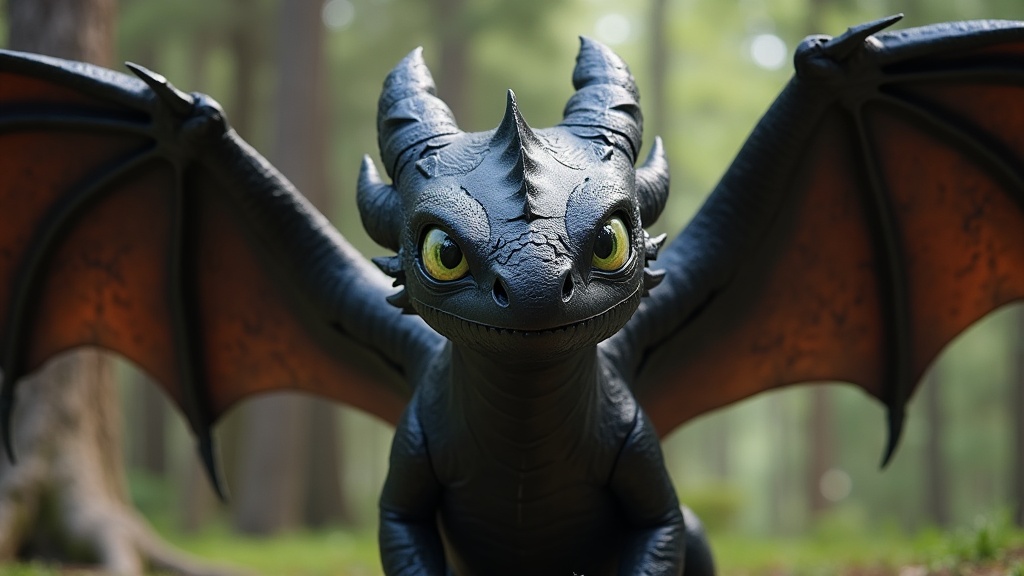
How to Train Your Dragon has grown from a beloved book series into a global multimedia franchise that spans animated films, television series, video games, and a 2025 live-action adaptation. This guide explores the story’s origins, its evolution across different media, the themes that make it resonate, and what fans can expect from the latest chapter in this epic saga.
Table of Contents
- The Origins of the Story
- Evolution Across Media
- Core Themes and Their Appeal
- The 2025 Live-Action Adaptation
- Frequently Asked Questions
- Franchise Comparisons
- Practical Tips for Fans
- Final Thoughts
How to Train Your Dragon in Context
The Origins of the Story
How to Train Your Dragon began as a series of children’s books written by British author Cressida Cowell. The first book was published in 2003, introducing readers to the fictional world of the Vikings and dragons on the island of Berk. Cowell’s narrative focused on Hiccup Horrendous Haddock III, a small and inventive boy who does not fit the typical Viking warrior mold. His journey to train a dragon becomes a metaphor for challenging societal norms and finding strength in unconventional qualities.
The book series eventually expanded to 12 main volumes, concluding in 2015. Cowell’s work was praised for its humor, heart, and the way it subverted traditional fantasy tropes. The stories were not just about adventure; they were about communication and understanding between different species, a theme that would become central to all future adaptations. The original novels have sold millions of copies worldwide and have been translated into numerous languages, solidifying their place in modern children’s literature.
The transition from page to screen began when DreamWorks Animation acquired the rights. The studio saw potential in adapting the series into a feature film, a move that would redefine the franchise. The first film, released in 2010, took significant liberties with the source material, creating a new narrative that was more cinematic while preserving the core relationship between Hiccup and his dragon, Toothless. This adaptation proved to be a masterstroke, earning critical acclaim and a dedicated fanbase. The success of the first film led to a trilogy, with sequels released in 2014 and 2019, each exploring deeper themes of leadership, loss, and change.
As Cressida Cowell herself noted, the story’s heart has always been about a boy who stops seeing a dragon as an enemy and starts seeing it as a friend (The Hollywood Reporter, 2025)[4]. This simple yet powerful idea is the foundation upon which the entire franchise is built.
Evolution Across Media
The Animated Trilogy
The animated How to Train Your Dragon trilogy is a landmark in modern animation. The first film, directed by Dean DeBlois and Chris Sanders, was a critical and commercial success, praised for its stunning visuals, emotional depth, and a memorable score by John Powell. The story follows Hiccup as he befriends a wounded Night Fury dragon he names Toothless. Through their friendship, Hiccup learns that dragons are not mindless beasts but intelligent creatures capable of deep loyalty. The film’s climax, where Hiccup loses part of his leg in battle, is a powerful moment that underscores the cost of peace and the reality of change.
The sequel, How to Train Your Dragon 2, released in 2014, expanded the world significantly. It introduced Hiccup’s long-lost mother, Valka, and a new villain, Drago Bludvist, who seeks to control dragons through force. This film dealt with themes of family, identity, and the responsibilities of leadership. It was darker and more complex than its predecessor, paving the way for the trilogy’s conclusion. The final film, How to Train Your Dragon: The Hidden World, released in 2019, brought the story to a poignant close. It saw Hiccup and Toothless find their respective places in the world, with the dragons leaving humanity to live in a hidden paradise. The trilogy is widely regarded as one of the best in animation, with a consistent quality and a satisfying narrative arc.
Beyond the films, the franchise expanded into television series such as DreamWorks Dragons, which filled in the gaps between the movies, and several short films. These expanded the lore and character development, making the world of Berk feel fully realized. The animated trilogy, consisting of three core feature films (DreamWorks, 2019)[2], remains the most celebrated part of the franchise.
The Book Series
Cressida Cowell’s original book series is a distinct entity from the films. While sharing the same basic premise, the books are more comedic and episodic, with a different tone and plot. The books feature a younger Hiccup and a more whimsical world, complete with illustrations by the author. The series consists of 12 books (Wikipedia, 2024)[1], each following Hiccup’s adventures as he grows from a hapless boy into a wise leader. The books explore themes of courage, kindness, and the importance of listening, as Cowell herself stated: “Hiccup’s real strength is that he listens to the dragon in front of him instead of the fear and prejudice he’s been brought up with” (The Guardian, 2024)[5].
The books have a dedicated fanbase and offer a different experience from the films. They are more text-heavy and detailed, providing a deeper dive into the world of the Vikings and dragons. For fans who want to explore the original source material, the book series is an essential read.
Core Themes and Their Appeal
The enduring popularity of How to Train Your Dragon can be attributed to its powerful and universal themes. At its core, the story is about empathy. Hiccup’s ability to see the world from a dragon’s perspective is what allows him to forge a bond that changes his entire society. This message of understanding and compassion is especially relevant in a world often divided by fear and prejudice. The story teaches that true strength comes not from physical power but from emotional intelligence and the willingness to listen.
Another central theme is the coming-of-age journey. Hiccup’s arc from an awkward outcast to a respected leader is a classic hero’s journey, but it is told with remarkable nuance. He does not succeed by becoming a traditional warrior; he succeeds by being himself. This message resonates deeply with audiences, particularly young people who may feel like they do not fit in. The film shows that being different is not a weakness but a strength, and that there are many ways to be a hero. As actor Mason Thames, who plays Hiccup in the live-action film, put it: “Hiccup doesn’t fit the Viking mold, and that’s exactly why he’s able to change his world” (Empire, 2025)[6].
The franchise also explores themes of change and loss. The trilogy’s ending, where Hiccup must let Toothless go, is a bittersweet but necessary conclusion. It reflects the reality that growth often requires letting go of the things we love. This emotional maturity is rare in family entertainment and is a key reason why the franchise has such a broad appeal. The combination of spectacular world-building with a very intimate coming-of-age journey (Variety, 2025)[7] creates a story that is both epic and personal.
The musical score by John Powell is also a crucial element. He noted that the score must capture both the ferocity of Vikings and the vulnerability of a boy and his dragon learning to trust one another (Billboard, 2025)[8]. This duality is at the heart of the franchise’s appeal.
The 2025 Live-Action Adaptation
In 2023, Universal Pictures and DreamWorks Animation announced plans for a live-action remake of the first film (Wikipedia, 2023)[9]. This adaptation was released in theaters on June 13, 2025 (Rotten Tomatoes, 2025)[3], and has a runtime of 125 minutes (Rotten Tomatoes, 2025)[3]. The film stars Mason Thames as Hiccup and Gerard Butler reprising his role as Stoick the Vast. The live-action version aims to bring a new level of realism to the story while staying true to the emotional core that made the animated film so beloved.
The film has been a major box office success, grossing $262.9 million domestically (Rotten Tomatoes, 2025)[3]. It was released on streaming platforms on July 15, 2025 (Rotten Tomatoes, 2025)[3], allowing a wider audience to experience it. The cast includes nine principal cast members (Wikipedia, 2025)[10], who bring the characters to life with a new depth. The film uses cutting-edge visual effects to create the dragons, particularly Toothless, who is rendered with incredible detail and expressiveness.
Director Dean DeBlois returned to helm the project, ensuring continuity with the animated trilogy. He emphasized that the heart of the story has always been about empathy, and that the live-action version protects that emotional core (The Hollywood Reporter, 2025)[4]. The film is not a shot-for-shot remake but a reimagining that takes advantage of the live-action format. It expands on certain scenes and adds new details, providing a fresh experience for both new and returning fans. For those interested in how such a complex project comes together, resources on AI training for film production can offer insights into the technology used in modern filmmaking.
The success of the live-action adaptation suggests that the franchise has a long future ahead. It has proven that the story of Hiccup and Toothless is timeless and can be told in new ways for new generations. The film also serves as a potential entry point for a new series of live-action adventures, expanding the universe of Berk even further.
Important Questions About How to Train Your Dragon
What is the correct order to watch the How to Train Your Dragon movies?
The recommended viewing order follows the release dates of the films. Start with the original 2010 animated film. Then watch the 2014 sequel, How to Train Your Dragon 2. Conclude the animated trilogy with the 2019 film, How to Train Your Dragon: The Hidden World. After that, you can watch the 2025 live-action adaptation, which is a reimagining of the first film. For a more complete experience, you can also watch the television series DreamWorks Dragons, which is set between the first and second films.
Is the 2025 live-action film a direct remake of the 2010 animated film?
No, it is not a direct shot-for-shot remake. While it follows the same basic story of Hiccup befriending Toothless and challenging Viking traditions, the live-action film takes creative liberties. It expands on certain scenes, adds new dialogue, and uses the realism of the live-action format to explore the characters in more depth. Director Dean DeBlois described it as a reimagining that protects the emotional core of the story while offering a new perspective. It is designed to stand on its own while honoring the original.
What are the main differences between the books and the movies?
The books and movies differ significantly in tone, plot, and character. The books are more comedic and episodic, with a younger Hiccup and a more whimsical world. The films are more dramatic and cinematic, with a focus on a single, cohesive narrative arc. The characters in the films are also aged up, with Hiccup being a teenager rather than a child. The dragons in the books are more varied and less pet-like, and the overall story has a different structure. Both versions are excellent in their own right, but they offer very different experiences.
Will there be more How to Train Your Dragon movies in the future?
As of 2025, no official announcements have been made regarding a direct sequel to the live-action film. However, the box office success of the 2025 adaptation, which grossed over $262 million domestically, makes a sequel highly likely. Universal Pictures has expressed interest in continuing the franchise. There is also potential for more television series or spin-offs. The franchise’s enduring popularity suggests that fans will see more adventures from the world of Berk in the years to come.
Franchise Comparisons
When comparing the different iterations of How to Train Your Dragon, it is helpful to look at their key characteristics. Each version offers a unique take on the same core story, appealing to different audiences and preferences. The table below highlights the main differences between the book series, the animated trilogy, and the 2025 live-action film.
| Feature | Book Series (2003-2015) | Animated Trilogy (2010-2019) | Live-Action Film (2025) |
|---|---|---|---|
| Tone | Comedic, whimsical, episodic | Dramatic, emotional, epic | Realistic, grounded, intimate |
| Hiccup’s Age | Child (younger) | Teenager (older) | Teenager (similar to animated) |
| Story Structure | 12 books, serialized | 3 films, single narrative arc | 1 film, reimagined arc |
| Visual Style | Illustrated (author’s drawings) | CGI animation | Live-action with VFX |
| Target Audience | Middle-grade readers | Family (all ages) | Family (all ages) |
Each version has its own strengths. The books offer depth and humor, the animated films provide emotional storytelling and stunning visuals, and the live-action film brings a new level of realism. For fans looking to delve deeper into the world-building, exploring resources on narrative design in fantasy franchises can provide additional context.
Practical Tips for Fans
For those new to the franchise or looking to deepen their appreciation, here are some actionable tips. First, start with the original 2010 animated film. It sets the foundation for everything that follows and is widely considered a masterpiece. After watching it, move on to the sequels to see the story’s full arc. If you prefer reading, begin with the first book to experience the original vision. The books offer a different, often more humorous, take on the characters.
Second, pay attention to the music. John Powell’s score is an integral part of the storytelling. Listening to the soundtrack separately can enhance your appreciation of the emotional beats in the films. The music is a character in itself, capturing the bond between Hiccup and Toothless.
Third, explore the expanded universe. The television series DreamWorks Dragons fills in gaps between the films and develops side characters. There are also video games, short films, and a live show. Engaging with these can make the world of Berk feel more immersive. For those interested in the creative process, reading interviews with the cast and crew, such as those from The Hollywood Reporter or Empire, can provide valuable insights into the making of the films.
Finally, discuss the themes. How to Train Your Dragon is rich with messages about empathy, leadership, and change. Talking about these themes with other fans can deepen your understanding and appreciation of the story. The franchise’s ability to spark meaningful conversations is one of its greatest strengths.
Final Thoughts on How to Train Your Dragon
How to Train Your Dragon is more than just a series of films and books; it is a cultural phenomenon that has touched millions of lives. Its message of empathy and understanding is timeless and universal. From the original novels to the breathtaking animated trilogy and the stunning 2025 live-action adaptation, the story of Hiccup and Toothless continues to inspire. The franchise shows that true heroism lies in compassion and the courage to be different. To continue exploring the world of Berk and its many adaptations, be sure to check out the latest reviews and features on Trade Living Review.
Further Reading
- Wikipedia. How to Train Your Dragon book series.
https://en.wikipedia.org/wiki/How_to_Train_Your_Dragon - DreamWorks. Official How to Train Your Dragon franchise site.
https://www.dreamworks.com/how-to-train-your-dragon - Rotten Tomatoes. How to Train Your Dragon (2025) box office reporting.
https://www.rottentomatoes.com/m/how_to_train_your_dragon_2025 - The Hollywood Reporter. Dean DeBlois interview on live-action adaptation. 2025.
https://www.hollywoodreporter.com/movies/movie-news/how-to-train-your-dragon-live-action-dean-deblois-interview-2025 - The Guardian. Cressida Cowell interview on 20 years of the series. 2024.
https://www.theguardian.com/books/2024/nov/29/cressida-cowell-how-to-train-your-dragon-anniversary-interview - Empire. Mason Thames interview on playing Hiccup. 2025.
https://www.empireonline.com/movies/features/mason-thames-how-to-train-your-dragon-interview-2025 - Variety. Universal’s plans for the live-action franchise. 2025.
https://www.variety.com/2025/film/news/how-to-train-your-dragon-live-action-universal-box-office-1235950012 - Billboard. John Powell interview on the score. 2025.
https://www.billboard.com/media/john-powell-how-to-train-your-dragon-score-interview-2025 - Wikipedia. How to Train Your Dragon (2025 film).
https://en.wikipedia.org/wiki/How_to_Train_Your_Dragon_(2025_film)
For more about How to train ai models, see How To Train Ai Models.