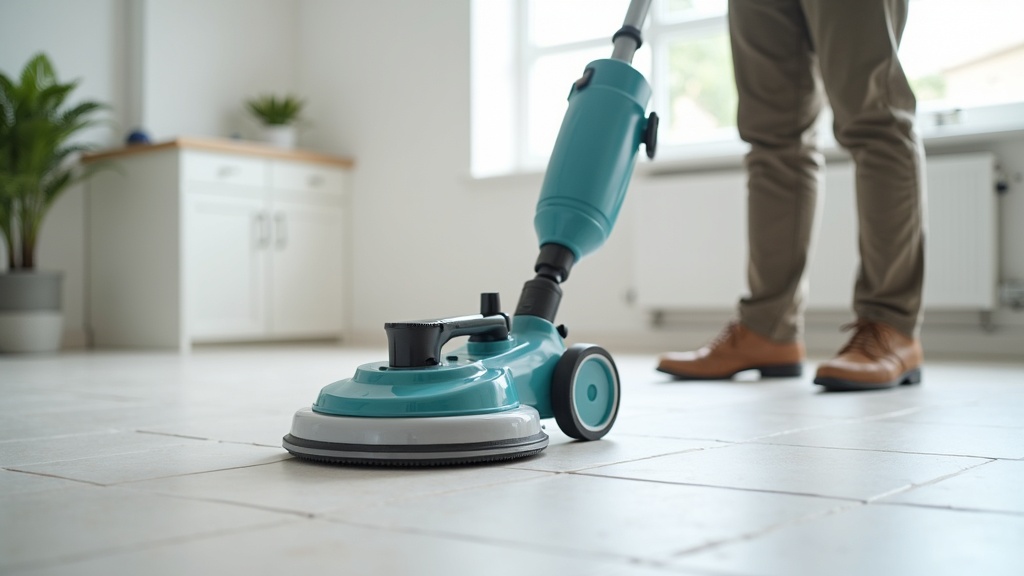
Learn what a professional tile and grout cleaning machine can do for your business, from market trends to key features and maintenance tips.
Table of Contents
- Market Overview and Growth
- Key Features to Look For
- Buying Guide: New vs. Used and Budgeting
- Maintenance and Best Practices
- FAQ
- Comparison of Machine Types
- Practical Tips for Cleaning Contractors
- Final Thoughts
- References
Market Snapshot
- The grout cleaning equipment market was estimated at $1.5 billion in 2025 and is projected to reach $2.8 billion by 2033, growing at a 7% CAGR (Archive Market Research, 2025)[1].
- 68% of homeowners whose renovations include bathroom updates are driving demand for grout cleaners and related equipment (Dataintelo, 2024)[2].
- The market was recorded at $261.27 billion in 2024, with a forecast CAGR of 5.1% through 2032 (Credence Research, 2024)[3].
Market Overview and Growth
The market for professional tile and grout cleaning machines is expanding rapidly as property owners and facility managers prioritize indoor hygiene. According to Archive Market Research (2025), the global grout cleaning equipment market was valued at $1.5 billion in 2025 and is expected to reach $2.8 billion by 2033, reflecting a compound annual growth rate of 7%[1]. This growth is fueled by several factors, including rapid urbanization and a shift in consumer expectations.
Bharat Gadhavi, Lead Analyst at Strategic Market Research, notes that the growing preference for compact, durable, and cost-effective grout cleaning machines is closely tied to rapid urbanization, especially in middle-income residential housing where professional-grade tile and grout maintenance is becoming a basic expectation rather than a luxury[4]. This trend is not limited to homes; commercial sectors like hospitality, healthcare, and retail are also adopting these machines to maintain high standards of cleanliness.
Additionally, 68% of homeowners whose renovations include bathroom updates are driving demand for grout cleaners and related equipment, according to Dataintelo (2024)[2]. This statistic highlights the direct link between home improvement projects and the need for specialized cleaning equipment. For professionals like you, this means a growing customer base that values quality tile and grout maintenance.
Key Features to Look For
When choosing a professional tile and grout cleaning machine, understanding the key features can make a significant difference in performance and return on investment. Modern machines are moving away from purely mechanical scrubbing toward systems that combine higher pressure, lower water use, and better ergonomics. As Teja Priyadarshini, Principal Consultant at Arizton Advisory & Intelligence, explains, cleaning contractors are under pressure to deliver faster turnaround with fewer technicians[5].
Pressure and Water Flow
High-pressure water is essential for dislodging deep-seated dirt from porous grout lines. Look for a machine with adjustable PSI (pounds per square inch) to handle different tile types without causing damage. Lower water consumption is also a key benefit, as it reduces drying time and minimizes the risk of mold growth.
Brush and Agitation System
For commercial cleaners, a floor machine fitted with the right tile and grout brush is still one of the most efficient ways to deep-clean grout lines, because it provides enough agitation to lift soil without the risk of damaging the tile surface, according to Mark Riffey, Product Specialist at Centaur Floor Machines[6]. Machines with interchangeable brush heads allow you to adapt to different grout widths and textures.
Vacuum and Filtration
A powerful vacuum extraction system is crucial for removing dirty water and debris, leaving surfaces nearly dry. Look for machines with high-efficiency filtration to capture fine particles and prevent them from re-settling. This feature is especially important in healthcare and food service environments where hygiene standards are strict.
Buying Guide: New vs. Used and Budgeting
Deciding whether to purchase a new or used professional tile and grout cleaning machine depends on your budget, expected workload, and long-term business goals. New machines offer the latest technology, warranties, and reliability, but they come with a higher upfront cost. Used machines can be a cost-effective entry point, but may require more maintenance and lack modern features like water recycling or AI-assisted scrubbing patterns.
Advances in tile and grout cleaning machines, including AI-assisted scrubbing patterns and water-recycling systems, are turning what used to be a labor-intensive task into a more predictable, measurable, and profitable service line for professional cleaning companies, notes Daniel Johnson, Senior Research Analyst at Archive Market Research[1]. If your budget allows, investing in a new machine with these features can differentiate your services and increase efficiency.
When budgeting, factor in not just the purchase price but also ongoing costs like replacement brushes, seals, and cleaning solutions. For those in the commercial grout mixing industry, equipment durability is paramount. For instance, a machine built for heavy-duty use on construction sites or industrial facilities may be a better long-term investment than a lighter model designed for residential work. You can find more about durable industrial equipment and AI training for equipment operation to enhance your team’s skills.
Maintenance and Best Practices
Proper maintenance of your professional tile and grout cleaning machine ensures consistent performance and extends its lifespan. Begin each day by checking hoses, seals, and filters for wear. After each use, flush the system with clean water to remove any residual cleaning solution or debris, which can crystallize and clog internal components.
Regularly inspect and replace brushes as needed. Worn brushes reduce agitation efficiency and can scratch tile surfaces. Lubricate moving parts according to the manufacturer’s schedule, and store the machine in a dry, temperature-controlled environment to prevent corrosion and damage to electronic components.
Best practices also include using the correct cleaning solutions for your machine type. Avoid harsh chemicals that can damage seals or void warranties. For commercial applications, consider implementing a logbook to track machine usage and maintenance tasks, ensuring that your equipment remains reliable for every job. As property owners pay more attention to indoor hygiene and presentation, professional-grade grout cleaning machines are increasingly being adopted not only by janitorial contractors but also by facility managers in hospitality, healthcare, and retail, according to Sakshi Sharma, Market Analyst at Dataintelo[2].
Important Questions About Professional Tile and Grout Cleaning Machines
What is the difference between a residential and a professional tile and grout cleaning machine?
A residential machine is typically smaller, less powerful, and designed for occasional use on a single home. A professional tile and grout cleaning machine is built for heavy-duty, frequent use. It features higher water pressure (often 500 PSI or more), larger water tanks, stronger vacuum motors, and durable components that can withstand daily operation by cleaning crews. Professional machines also often include features like heated water for better cleaning and faster drying.
How often should a professional grout cleaning machine be serviced?
Daily maintenance includes flushing the system and checking for leaks. Weekly, inspect and clean or replace filters. Monthly, check brush wear and lubricate moving parts. A full professional service, including seal replacement and pump inspection, should be done annually or after every 500 hours of operation, whichever comes first. Following the manufacturer’s service schedule is critical to avoid costly breakdowns on the job.
Can a professional tile and grout cleaning machine be used on all types of tile?
Most professional machines are safe for ceramic, porcelain, and natural stone tiles when used with the correct brush and pressure settings. However, delicate surfaces like marble, travertine, or polished limestone require special care. Using a soft brush and lower pressure is recommended. Always test the machine on an inconspicuous area first. Some machines come with adjustable pressure controls and interchangeable brush heads to accommodate different tile types.
What are the benefits of a machine with a water recycling system?
A water recycling system filters and reuses the water extracted from the cleaning process. This reduces water consumption by up to 70%, which is beneficial in areas with water restrictions or for large commercial projects. It also allows for longer continuous operation without needing to refill the clean water tank or empty the waste tank as frequently. This feature is increasingly common in high-end professional tile and grout cleaning machines.
Comparison of Machine Types
Choosing the right type of professional tile and grout cleaning machine depends on the scale of your operations and the variety of surfaces you clean. Below is a comparison of three common machine types to help you decide.
| Feature | Portable Spot Cleaner | Truck-Mounted System | Walk-Behind Floor Machine |
|---|---|---|---|
| Best For | Small jobs, apartments, quick touch-ups | Large commercial buildings, hotels | Warehouses, retail spaces, long hallways |
| Power | Low to medium (100-300 PSI) | High (500-1000+ PSI) | Medium to high (300-700 PSI) |
| Water Tank | Small (2-5 gallons) | Large (50+ gallons, uses truck engine) | Medium (10-20 gallons) |
| Portability | Excellent (carry by hand) | Poor (requires a vehicle) | Good (self-propelled) |
| Cost | $500 – $3,000 | $10,000 – $30,000+ | $3,000 – $10,000 |
Practical Tips for Cleaning Contractors
To maximize the return on your investment in a professional tile and grout cleaning machine, follow these actionable tips. First, always pre-inspect the area. Look for loose tiles, damaged grout, or stains that may need pre-treatment. This prevents damage to the machine and ensures consistent results.
Second, invest in a quality grout cleaning solution that is compatible with your machine. Using the wrong chemistry can foam excessively, clog filters, or leave residues. Third, train your staff thoroughly on machine operation and maintenance. A well-trained team will produce better results and reduce equipment downtime. For those looking to expand their service offerings, consider adding professional AI training to your skillset to understand how smart features in newer machines can optimize cleaning patterns.
Finally, market your specialized service. Emphasize that you use a professional tile and grout cleaning machine to achieve deeper cleaning and faster drying times than standard mops or consumer-grade tools. This can justify higher pricing and attract clients who value quality, such as property managers and restaurant owners.
For more about Epoxy grout, see explore epoxy grout in depth.
Final Thoughts on Professional Tile and Grout Cleaning Machines
The professional tile and grout cleaning machine market is on a strong growth trajectory, driven by urbanization, higher hygiene standards, and technological advancements. For cleaning contractors and facility managers, investing in the right machine can significantly improve service quality, efficiency, and profitability. Whether you choose a portable spot cleaner or a powerful truck-mounted system, focus on key features like pressure, brush system, and ease of maintenance. To stay competitive, consider how professional athlete-level dedication to equipment care and training can set your business apart. The time to upgrade your cleaning capabilities is now.
Useful Resources
- Grout Cleaning Equipment – Charting Growth Trajectories 2025–2033. Archive Market Research.
https://www.archivemarketresearch.com/reports/grout-cleaning-equipment-471664 - Grout Cleaner Market Research Report 2033. Dataintelo.
https://dataintelo.com/report/grout-cleaner-market - Grout Cleaning Equipment Market. Credence Research.
https://www.credenceresearch.com/report/grout-cleaning-equipment-market - Grout Cleaning Equipment Market Report, 2024–2030. Strategic Market Research.
https://www.strategicmarketresearch.com/market-report/grout-cleaning-equipment-market - Grout Cleaning Equipment Market – Global Outlook & Forecast 2023–2028. Arizton Advisory & Intelligence.
https://www.arizton.com/market-reports/grout-cleaning-equipment-market - Tile and Grout Cleaning Machine – What You Need to Know. Centaur Floor Machines.
https://centaurmachines.com/blog/grout-tile-cleaning-machines/