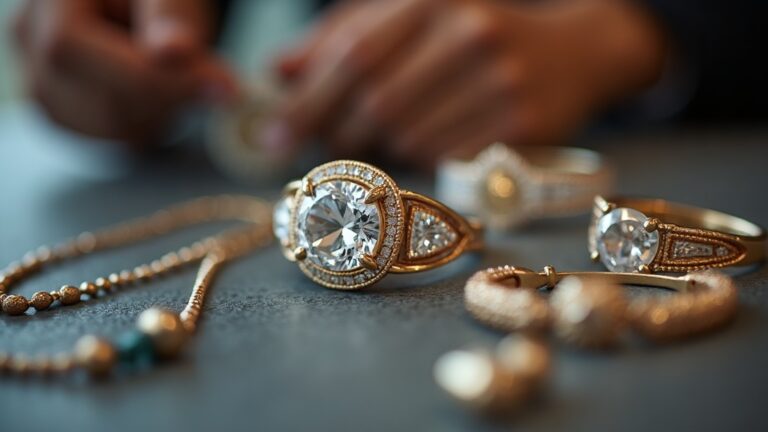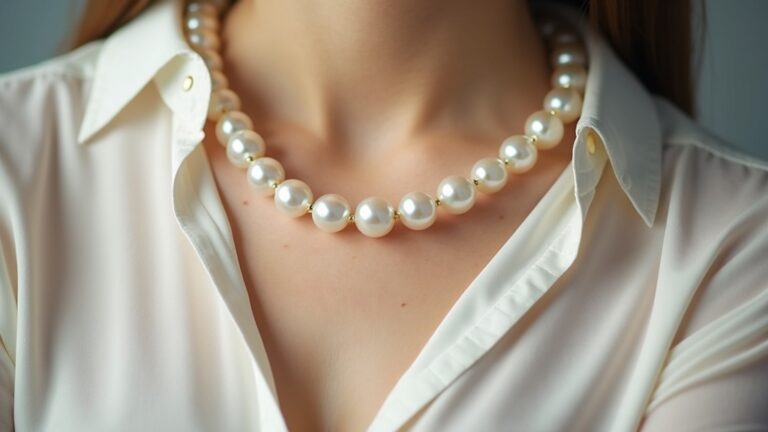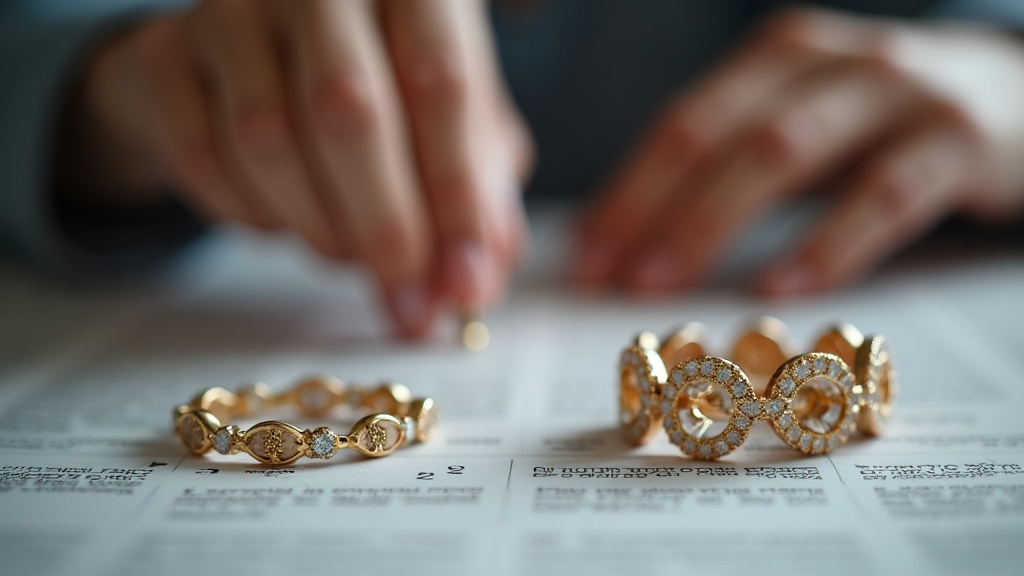
Discover the ultimate jewelrycurrent guide to navigate modern trends, sustainable sourcing, and smart buying tips for your next fine accessory purchase today.
Table of Contents
- Key Takeaway
- Market Snapshot
- Introduction
- Understanding Current Jewelry Styles
- Sustainable Sourcing and Ethics
- Navigating Online Retail Channels
- jewelrycurrent guide to Styling and Layering
- Your Most Common Questions
- Comparing Buying Approaches
- Practical Tips
- The Bottom Line
Key Takeaway
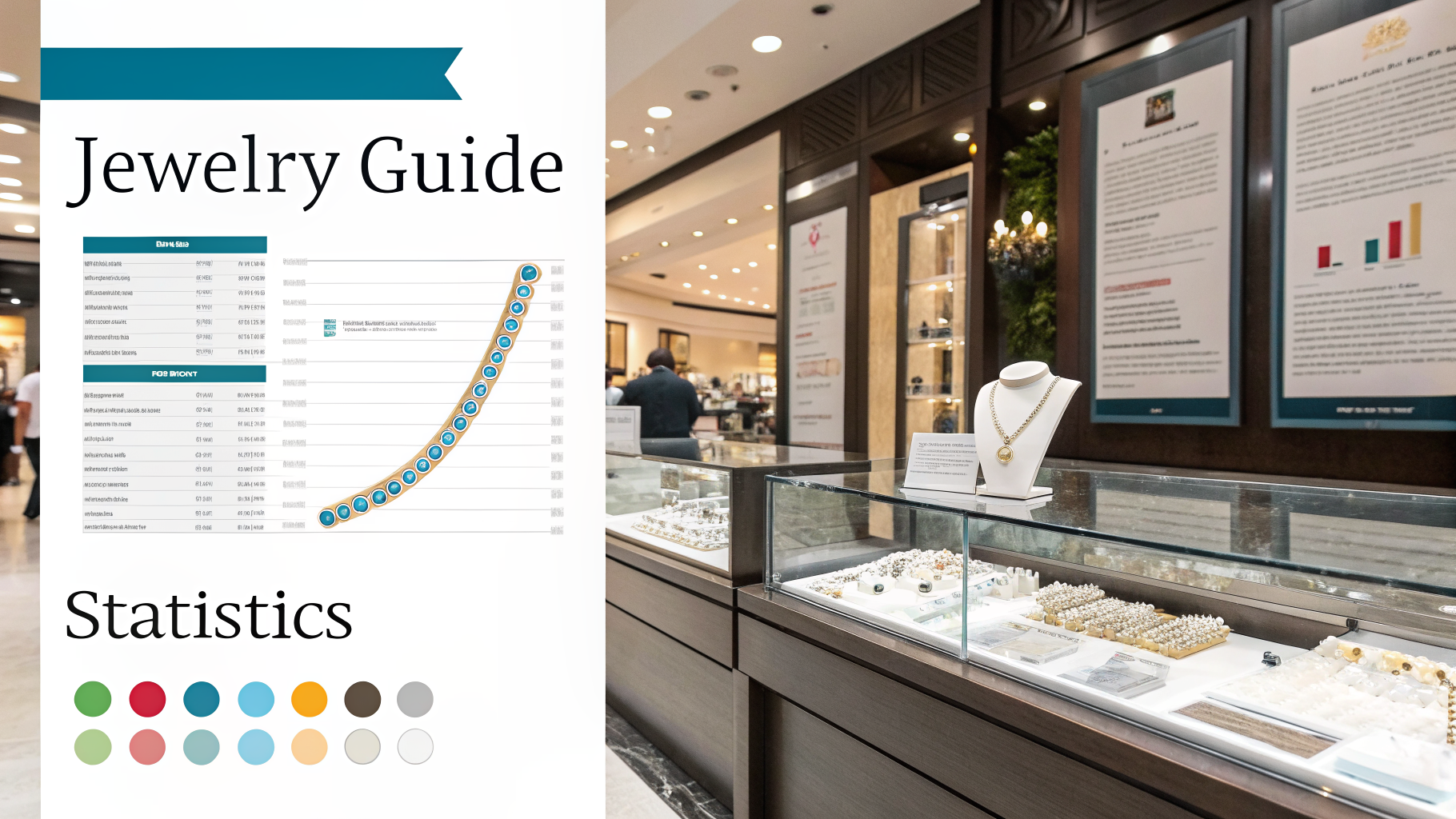
jewelrycurrent guide is a comprehensive framework for evaluating modern accessory trends, material ethics, and purchasing strategies. This resource helps buyers navigate the shifting luxury landscape by highlighting sustainable sourcing, versatile styling methods, and data-driven market insights to make informed decisions.
Market Snapshot
- Global jewelry market revenue is forecast to reach 366 billion dollars by 2026 (Statista, 2025)[1].
- Online channels are projected to account for 25 percent of global jewelry sales by 2026 (McKinsey & Company, 2025)[2].
- Sustainably labeled jewelry products generated 6.4 percent higher average order values compared to non-labeled products in 2025 (Boston Consulting Group, 2026)[3].
Introduction
jewelrycurrent guide provides essential insights for anyone looking to understand the rapidly evolving accessory market. As consumer preferences shift toward versatile, ethically sourced pieces, staying informed about present jewelry styles is more important than ever. The modern luxury landscape blends traditional artisan craftsmanship with digital discovery, meaning buyers must navigate both physical showrooms and digital storefronts. In this article, we will explore the defining trends shaping contemporary jewelry advice, the growing demand for transparent supply chains, and the digital behaviors driving retail pricing. Whether you are investing in precious metals, evaluating karat weight, or exploring lab-grown diamonds, understanding these dynamics ensures your purchases align with both personal aesthetics and ethical values. Read on to discover how to make confident, well-researched choices in today’s dynamic market.
Understanding Current Jewelry Styles
The contemporary accessory market is defined by a distinct duality in consumer preferences. According to industry analysts, the current jewelry trends are split between bold, expressive designs and understated, everyday essentials. Julie Pont, fashion director at Heuritech, notes that “the current jewelry landscape is defined by two seemingly opposite trends: maximalist, sculptural pieces that photograph well on social media, and quiet luxury staples that people invest in to wear every day for years” (Vogue Business, 2026)[4]. This divergence means that modern jewelry guide seekers must evaluate their personal wardrobes to determine which aesthetic serves their daily needs.
Using a jewelrycurrent guide for Versatility
Younger demographics are particularly influential in shaping these latest jewelry insights, often building their wardrobes around versatile pieces like tennis bracelets and signet rings that transition effortlessly from daywear to special occasions. Consequently, minimalist designs and investment pieces are seeing sustained demand. When consulting a jewelrycurrent guide, buyers should prioritize items that offer this transitional versatility, ensuring their selections remain relevant across various social and professional settings.
Beyond individual items, the way these accessories are worn has also evolved. Layering techniques have become a cornerstone of modern styling, allowing individuals to mix different textures and metals. Search interest for layered necklaces grew by 32 percent year over year in 2025, making it one of the fastest-rising jewelry-related queries (Google Consumer Insights, 2025)[5]. This trend highlights the importance of selecting complementary gold necklaces and silver rings that can be stacked without looking cluttered. By focusing on adaptable, high-quality fashion accessories, consumers can build a cohesive collection that reflects both current jewelry styles and timeless elegance.
Sustainable Sourcing and Ethics
Ethical considerations have moved from the periphery to the center of the luxury market. For modern buyers, understanding the origins of gemstones and precious metals is a fundamental part of the purchasing process. Sara Yood, President and CEO of the Jewelers Vigilance Committee, emphasizes that “for today’s jewelry consumers, transparency around sourcing and materials is no longer a nice-to-have marketing angle; it is a baseline expectation and a key driver of purchasing decisions” (Jewelers Vigilance Committee, 2026)[6]. This shift has forced retailers to adopt rigorous ethical mining practices and provide verifiable supply chain documentation.
The financial impact of this consumer demand is clearly visible in retail data. Sustainably labeled jewelry products generated 6.4 percent higher average order values compared to non-labeled products in 2025 (Boston Consulting Group, 2026)[3]. Buyers are demonstrably willing to pay a premium for items that guarantee fair labor practices and environmental stewardship. When utilizing a jewelrycurrent guide to evaluate potential purchases, looking for recognized certifications and hallmark stamps is crucial. These markers provide assurance that the contemporary jewelry advice you follow aligns with globally recognized sustainability standards.
Furthermore, the rise of lab-grown diamonds has disrupted traditional supply chains by offering an environmentally conscious alternative to mined stones. Sales of lab-grown diamond jewelry grew by 18 percent globally in 2025 compared with the previous year (Bain & Company, 2026)[7]. This innovation allows consumers to acquire larger, higher-clarity stones without the ecological footprint associated with traditional extraction. As present jewelry styles continue to evolve, the integration of sustainable materials will remain a defining characteristic of the industry, rewarding brands that prioritize transparency and responsible production.
Navigating Online Retail Channels
The digital transformation of the luxury sector has fundamentally altered how consumers discover and purchase accessories. Online channels are projected to account for 25 percent of global jewelry sales by 2026, up from about 13 percent in 2019 (McKinsey & Company, 2025)[2]. This massive shift means that a comprehensive jewelrycurrent guide must address the nuances of e-commerce, from virtual try-ons to secure payment gateways. Shoppers are no longer confined to local boutiques; they can access global inventory and compare retail pricing with a few clicks.
Mobile technology plays a pivotal role in this digital migration. Mobile devices accounted for 69 percent of organic search visits to jewelry and luxury accessories sites in Q4 2025 (Similarweb, 2026)[8]. Retailers have responded by optimizing their platforms for smaller screens, ensuring that high-resolution imagery and detailed specifications of karat weight and gemstone cuts are easily viewable. Additionally, social media platforms have become primary discovery engines. Among Gen Z respondents in a 2025 global survey, 72 percent said they discover new jewelry brands or styles first through social media (Deloitte, 2025)[9].
Despite the convenience of digital shopping, research remains a critical step. In a 2025 survey of US jewelry buyers, 68 percent said they research jewelry online before purchasing, even if they buy in-store (Jewelers of America, 2025)[10]. This omnichannel behavior underscores the need for authoritative, editorial-style content. Just as readers might consult a dragonyurts guide for specialized outdoor gear or a coffeebeancrypto guide for niche digital assets, accessing reliable information ensures that online luxury purchases are made with confidence and clarity.
jewelrycurrent guide to Styling and Layering
Mastering the art of accessorizing requires an understanding of proportion, texture, and personal expression. The modern jewelry guide approach to styling emphasizes intentionality over sheer volume. Linda Lara, Assistant Professor at the Fashion Institute of Technology, points out that “search data shows that consumers are not just looking for ‘jewelry’ in general; they are searching for highly specific guides – from current jewelry trends to how to layer necklaces or choose everyday earrings – and they expect authoritative, editorial-style advice” (Fashion Institute of Technology, 2026)[11]. This indicates a strong desire for educational content that translates runway concepts into wearable reality.
Layering is perhaps the most prominent technique in contemporary jewelry advice. To execute this look successfully, beginners should combine pieces of varying lengths and weights. For instance, pairing a delicate, short gold chain with a longer, heavier pendant creates visual depth without tangling. Mixing metals, once considered a fashion faux pas, is now a hallmark of present jewelry styles. Combining silver rings with gold bracelets adds an eclectic, curated feel to an outfit. For deeper historical context and data, explore the comprehensive research on consumer search behavior published by the Fashion Institute of Technology.
When building a versatile collection, focusing on foundational items is essential. A well-chosen jewelrycurrent guide will always recommend investing in high-quality basics before adding trend-driven statement pieces. Classic stud earrings, a simple tennis bracelet, and a well-fitted signet ring serve as the anchors for more experimental layering. By establishing this solid foundation, consumers can seamlessly integrate seasonal trends and maximalist pieces into their daily rotation, ensuring their fashion accessories remain both stylish and deeply personal.
Your Most Common Questions
What should I look for in a reliable jewelrycurrent guide?
A reliable resource should provide up-to-date information on market trends, material quality, and ethical sourcing. It should offer objective contemporary jewelry advice rather than purely promotional content. Look for guides that cite industry data, explain hallmark stamps, and provide clear instructions on evaluating gemstone clarity and precious metal purity. The best resources will also address current jewelry styles and offer practical styling tips that apply to everyday wear, ensuring you make informed, long-lasting investments. Additionally, a good guide will compare different retail channels and highlight the importance of customer service and return policies when buying online.
Are lab-grown diamonds a good investment compared to mined diamonds?
Lab-grown diamonds offer identical physical and chemical properties to mined diamonds but typically come at a lower retail pricing point. While they are excellent for acquiring larger or higher-quality stones for everyday wear, they currently do not hold the same resale value as natural stones. A comprehensive modern jewelry guide will advise buyers to choose lab-grown options for their aesthetic and ethical benefits, while reserving natural diamonds for pieces intended as long-term financial investments or family heirlooms. Furthermore, the environmental impact of lab-grown stones is generally lower, appealing to eco-conscious buyers who prioritize sustainable sourcing in their purchasing decisions.
How can I verify the ethical sourcing of my accessories?
Verification starts with asking retailers for specific documentation regarding their supply chains. Look for certifications from recognized bodies like the Responsible Jewellery Council or the Kimberley Process for diamonds. Present jewelry styles increasingly feature transparent sourcing narratives, so reputable brands will openly share their ethical mining practices and labor standards on their websites. If a seller cannot provide clear, verifiable information about the origins of their gemstones and precious metals, it is best to look elsewhere. Consulting a detailed jewelrycurrent guide can also help you understand the specific terminology and certifications used in the industry, making it easier to spot greenwashing and verify authentic ethical claims.
What is the best way to layer necklaces without tangling?
The secret to successful layering lies in varying the lengths and weights of the chains. Start with a shorter, lighter chain (like a 16-inch choker) and add progressively longer and heavier pieces, ensuring at least a two-inch gap between each. Using different chain textures also helps prevent them from catching on one another. Following the latest jewelry insights from styling experts, you can also use specialized layering clasps that hold multiple strands securely in place, keeping your look neat and tangle-free throughout the day. Finally, consider the pendants; mixing a small, subtle charm on the shortest chain with a larger, heavier focal piece on the longest chain creates a balanced, visually appealing silhouette.
Comparing Buying Approaches
When acquiring fine accessories, consumers generally choose between traditional in-store boutiques and modern e-commerce platforms. Each method offers distinct advantages depending on the buyer’s priorities regarding tactile experience, pricing, and convenience. Consulting a detailed jewelrycurrent guide can help clarify which approach best suits your specific needs and purchasing style.
| Feature | In-Store Boutique | Online E-Commerce |
|---|---|---|
| Tactile Experience | High; try on pieces and assess weight | Low; relies on images and videos |
| Retail Pricing | Often higher due to overhead costs | Generally more competitive and transparent |
| Selection | Limited to physical inventory on hand | Vast global inventory and custom options |
| Expert Advice | Immediate, face-to-face consultation | Virtual consultations and detailed FAQs |
Practical Tips
To maximize the value and longevity of your collection, implement these actionable strategies when shopping and styling your accessories. First, always check the hallmark stamps on precious metals to verify the karat weight and authenticity before purchasing. This simple step protects you from counterfeit items and ensures you are paying a fair price for the materials.
Second, prioritize versatile, everyday wear items over highly specific, trend-driven pieces. A classic pair of diamond studs or a simple gold chain will serve you for decades, whereas maximalist pieces may fall out of favor as current jewelry trends shift. When exploring digital resources, you might read a dragonyurts guide for outdoor living or a coffeebeancrypto guide for digital finance, but for accessories, always seek out specialized, authoritative content that focuses on material quality and timeless design.
Finally, establish a regular maintenance routine. Clean your silver rings and gold necklaces with appropriate solutions to prevent tarnishing, and have a professional jeweler inspect the prongs on your gemstones annually. Proper care ensures your fashion accessories remain brilliant and secure for years to come.
The Bottom Line
Navigating the modern accessory market requires a balance of aesthetic appreciation and informed decision-making. By utilizing a comprehensive jewelrycurrent guide, buyers can confidently explore present jewelry styles, prioritize ethical sourcing, and master versatile layering techniques. Whether you prefer the tactile experience of a local boutique or the vast selection of online retailers, understanding these dynamics ensures your purchases are both meaningful and enduring. For more in-depth reviews and lifestyle insights, continue exploring the expert articles available on tradelivingreview.com to elevate your everyday choices.
Useful Resources
- Global jewelry market size. Statista.
https://www.statista.com/statistics/518370/global-jewelry-market-size - State of fashion jewelry 2025. McKinsey & Company.
https://www.mckinsey.com/industries/retail/our-insights/state-of-fashion-jewelry-2025 - Sustainability premium in luxury and jewelry. Boston Consulting Group.
https://www.bcg.com/publications/2026/sustainability-premium-in-luxury-and-jewelry - How data is rewiring the jewellery trends market 2026. Vogue Business.
https://www.voguebusiness.com/fashion/how-data-is-rewiring-the-jewellery-trends-market-2026 - Layered necklaces search trends. Google Consumer Insights.
https://trends.google.com/trends/story/US_cu_QFh0wXABAABMHM_en - Responsible jewelry in 2026. Jewelers Vigilance Committee.
https://www.jvclegal.org/news/responsible-jewelry-in-2026-legal-and-ethical-priorities-for-the-trade - Global diamond report 2025. Bain & Company.
https://www.bain.com/insights/global-diamond-report-2025 - Fashion and jewelry digital trends 2026. Similarweb.
https://www.similarweb.com/corp/reports/fashion-and-jewelry-digital-trends-2026 - Gen Z and the future of luxury. Deloitte.
https://www2.deloitte.com/global/en/pages/consumer-business/articles/gen-z-and-the-future-of-luxury.html - Jewelry consumer trends 2025. Jewelers of America.
https://www.jewelers.org/ja/research/consumer-insights/jewelry-consumer-trends-2025 - Search behavior jewelry shoppers 2026. Fashion Institute of Technology.
https://www.fitnyc.edu/research/insights/search-behavior-jewelry-shoppers-2026.php
For more about Jewelrycurrent guide, see Jewelrycurrent Guide.