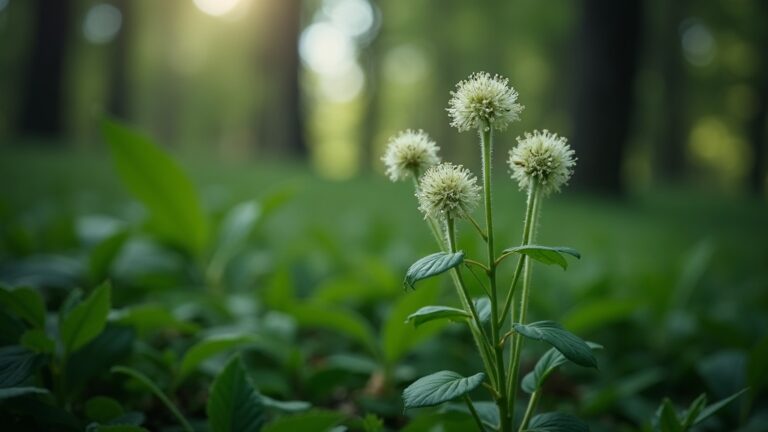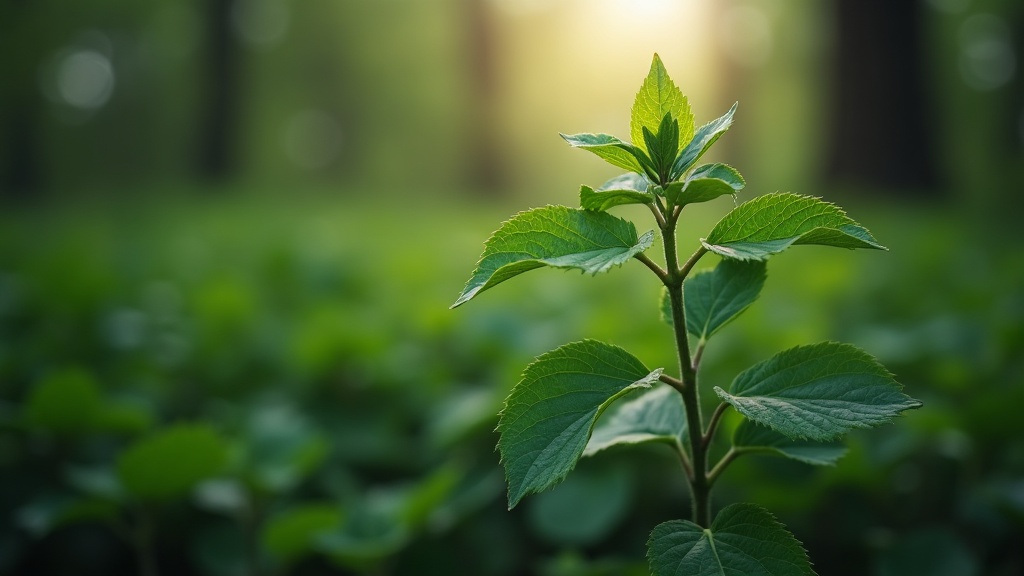
Learn how to safely identify, harvest, and prepare creepinghemlock tips. Discover essential foraging techniques, proper tree care, and tasty recipes today.
Table of Contents
- Botanical Identification and Safety
- Sustainable Harvesting Techniques
- Landscape Care and Tree Health
- Culinary Applications and Recipes
- What People Are Asking
- Comparing Preservation Methods
- Practical Tips for Foragers
Creepinghemlock Tips in Context
- Most landscape hemlocks thrive in USDA hardiness zones 3 to 7 (Plant Detectives, 2024)[1].
- A recommended 2 to 3-inch layer of organic mulch regulates soil temperature and retains moisture (Plant Detectives, 2024)[1].
- A simple evergreen tip syrup uses a 1:1:1 ratio of tips, water, and sugar by volume (Wild Foods and Medicines, 2024)[2].
Creepinghemlock tips emerge each spring as a vibrant sign of renewal in the forest canopy. Foragers and wild food enthusiasts eagerly await the appearance of these tender, limey-green shoots, which offer a unique citrusy and piney flavor profile. Unlike mature needles, this new growth is soft and packed with aromatic oils, though harvesting requires solid botanical identification. In this article, we will explore how to safely identify the correct conifer species, best practices for harvesting without harming the tree, and essential landscape care. We will also dive into culinary applications, transforming your spring harvest into delicious syrups and sorbets. Whether you are a seasoned forager or a home gardener, mastering the use of these evergreen shoots opens up a world of wild culinary possibilities.
Botanical Identification and Safety
Identifying the correct tree is the most critical step before harvesting any wild edibles. Creepinghemlock tips come from the Tsuga genus, a group of coniferous trees that share visual similarities with several toxic species. Proper botanical identification ensures you avoid dangerous lookalikes, particularly the highly poisonous yew tree. Forager Ashley Adamant notes that “Hemlock trees have needles that are flat and come out in one plane from the stem” (Practical Self Reliance, 2024)[3]. This distinct needle structure is a reliable field marker.
Adamant further emphasizes the importance of caution, stating that “All yew species are toxic, and they can look a bit like hemlock if you’re not careful” (Practical Self Reliance, 2024)[3]. Never rely on a single characteristic; examine the bark, cone structure, and overall growth habit. It is also vital to distinguish the tree from poison hemlock, which is an entirely different, highly toxic herbaceous plant in the carrot family. The tree we are discussing is a large, woody conifer. When you locate a mature tree, look for the bright, limey-green spring buds at the ends of the branches. These Tsuga spring buds are soft and lack the sharp, rigid texture of older foliage. For more detailed botanical guides, you can consult comprehensive wild plant identification resources.
Sustainable Harvesting Techniques
Once you have positively identified the tree, the next step is to harvest the creepinghemlock shoots responsibly. Sustainable foraging ensures that the tree remains healthy and continues to produce new growth in subsequent years. Ethnobotanist Elise Krohn explains that young tips should be pinched off the new growth here and there rather than gathered heavily from one place, remembering that you are pruning the tree (Wild Foods and Medicines, 2024)[2]. This scattered approach prevents stressing any single branch.
When collecting evergreen conifer tips, it is crucial to avoid the central leader of young trees. Grant Haller warns to “don’t pick the tips from the very top of young trees because that apical meristem is the tree’s sole vertical growth” (MeatEater’s Wild + Whole, 2024)[4]. Instead, focus on the lateral branches of mature trees, taking only a small percentage of the available hemlock foliage ends. Gently snap the tender buds at the natural break point or use clean pruning shears, avoiding any pulling that could strip the bark. Harvesting in the mid-morning yields the most aromatic hemlock tree new growth. By treating the harvest as a light pruning session, you encourage bushier, denser growth in the following seasons.
Landscape Care and Tree Health
Maintaining the health of your trees is essential for a consistent yearly harvest. Creepinghemlock tips only thrive on vigorous, well-cared-for trees. In a landscape setting, these conifers require consistent moisture and typically flourish in USDA hardiness zones 3 to 7 (Plant Detectives, 2024)[1]. Proper soil management is the foundation of their health. Applying a 2 to 3-inch layer of organic mulch around the base helps regulate soil temperature and retain vital moisture (Plant Detectives, 2024)[1]. However, ensure there is a 2 to 3-inch minimum clearance between the mulch and the trunk to prevent rot.
Watering is equally critical, especially for newly planted specimens. Trees benefit from deep, consistent watering during their first two years of intensive establishment to develop a robust root system (Plant Detectives, 2024)[1]. Pest management is another vital aspect of tree care, particularly concerning the hemlock woolly adelgid. If treatment is necessary, soil drenches are typically applied in a 1 to 2-foot radius cleared around the trunk (Art of Stone Gardening, 2024)[5]. The dosage is calculated based on the trunk diameter measured at 4.5 feet above ground, known as the diameter at breast height (Art of Stone Gardening, 2024)[5]. For optimal results, apply these treatments during the two months (March and April) identified as the prime treatment period (Art of Stone Gardening, 2024)[5].
Culinary Applications and Recipes
The culinary potential of these spring shoots is vast, ranging from simple trail snacks to complex gourmet ingredients. The GRuB education team notes that “The limey-green spring tips of hemlock are edible and have a refreshing tart flavor” (Garden Raised Bounty, 2024)[6]. Their bright, citrus-pine flavor profile makes them an excellent substitute for lemon or rosemary in various dishes.
One of the most popular ways to preserve the harvest is by making a simple evergreen syrup. A standard recipe uses a 1:1:1 ratio of tips, water, and sugar by volume (Wild Foods and Medicines, 2024)[2]. Simmer the water and sugar, add the buds, and let the mixture steep to extract the essential oils. This syrup is perfect for glazing meats or sweetening teas. For a refreshing summer treat, you can craft a botanical sorbet. A basic formula uses 2 cups of tips, 4 cups of water, and 1/3 cup of honey, creating a light, palate-cleansing dessert (Wild Foods and Medicines, 2024)[2].
To maximize flavor extraction for beverages or sorbets, the evergreen tip infusions are typically steeped for 4 to 8 hours in warm water before sweetening or freezing (Wild Foods and Medicines, 2024)[2]. You can also infuse them into vinegars or blend them into compound butters. For those interested in expanding their wild food repertoire, exploring comprehensive wild food foraging guides can provide additional inspiration. The key to cooking with these buds is to add them at the end of the cooking process, as prolonged high heat can destroy their delicate aromatic compounds.
What People Are Asking
Can you eat creepinghemlock tips raw?
What is the difference between hemlock tree new growth and poison hemlock?
How long do harvested evergreen conifer tips last in the fridge?
When is the best time to harvest Tsuga spring buds?
Comparing Preservation Methods
When preserving your spring harvest, choosing the right method depends on your intended culinary use and desired shelf life. Each technique highlights different aspects of the complex flavor profile.
| Method | Best Use | Shelf Life | Flavor Profile |
|---|---|---|---|
| Simple Syrup | Cocktails, glazes | 6-12 months | Sweet, piney |
| Cold Honey | Toast, marinades | 1-2 years | Mellow, floral |
| Herbal Vinegar | Dressings, deglazing | 1 year | Tart, sharp |
| Freezing Raw | Soups, smoothies | 6-8 months | Fresh, citrusy |
Select the method that best aligns with your kitchen habits to ensure none of your foraged bounty goes to waste.
Practical Tips for Foragers
To elevate your foraging experience, always carry a pair of sharp, sterilized bypass pruning shears. Clean cuts heal faster and reduce the risk of introducing fungal pathogens to the tree. When scouting for locations, focus on the edges of forest clearings where trees receive dappled sunlight, as this encourages more vigorous spring growth compared to dense, deeply shaded areas.
Trend-wise, wild-crafted botanical beverages are gaining immense popularity in the culinary world. You can capitalize on this by creating your own sparkling evergreen sodas using your homemade syrups and carbonated water. Additionally, consider pairing your harvest with other early spring edibles like wild ramps to create complex, seasonal dishes. For more ideas on integrating wild foods into your daily routine, check out our guide on sustainable foraging practices for beginners. Finally, always leave a generous portion of the buds behind; a good rule of thumb is to never take more than ten percent of the new growth from any single tree.
For more about Article creation tips, see find article creation tips resources.
Wrapping Up
Harvesting creepinghemlock tips is a rewarding way to connect with the changing seasons and bring the fresh, vibrant flavors of the forest into your kitchen. By prioritizing accurate botanical identification, practicing sustainable harvesting, and maintaining proper tree health, you can enjoy this wild delicacy year after year. Whether you are whipping up a botanical sorbet or simply enjoying a tart trail snack, these spring shoots offer a unique culinary experience. Ready to expand your wild food knowledge? Dive deeper into seasonal harvesting techniques by reading our complete guide to identifying and cooking spring wild edibles.
Learn More
- The Hemlock Guide. Plant Detectives.
https://plantdetectives.com/pages/the-hemlock-guide - Fir, Hemlock and Spruce Tips. Wild Foods and Medicines.
https://wildfoodsandmedicines.com/fir-hemlock-and-spruce-tips/ - Foraging Spruce Tips (and Other Conifer Tips). Practical Self Reliance.
https://practicalselfreliance.com/spruce-tips/ - How to Forage for Evergreen Tips. MeatEater’s Wild + Whole.
https://www.themeateater.com/wild-and-whole/forage/how-to-forage-for-evergreen-tips - Hemlock T.L.C. Art of Stone Gardening.
https://artofstonegardening.com/hemlock-t-l-c - Plant of the Month: Hemlock. Garden Raised Bounty (GRuB).
https://www.goodgrub.org/post/plant-of-the-month-hemlock