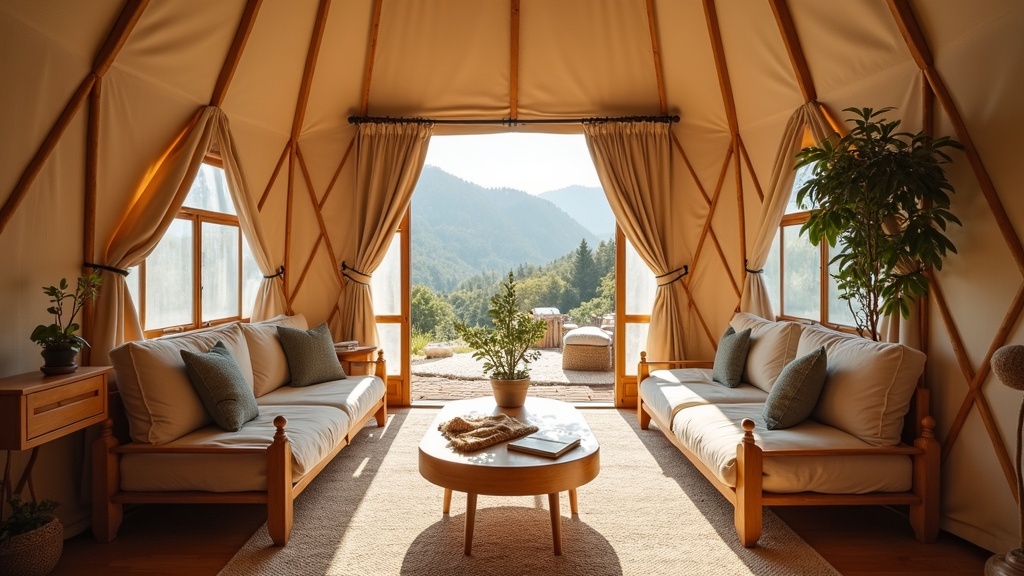
Discover the many yurt camping and glamping benefits, from year-round comfort and sustainable design to a growing market projected to reach $4.1 billion in 2024. This guide explores why modern yurts are becoming a top choice for travelers seeking unique, nature-immersive stays without sacrificing modern amenities.
Table of Contents
- 1. Year-Round Comfort and Structural Durability
- 2. Sustainable and Low-Impact Accommodation
- 3. Growing Market Demand and Economic Opportunity
- 4. Stress Reduction and Wellness Benefits
- Frequently Asked Questions
- Comparison: Yurt Glamping vs. Traditional Camping
- Practical Tips for Your First Yurt Glamping Trip
- Final Thoughts on Yurt Camping and Glamping Benefits
Key Takeaway: Yurt camping and glamping benefits combine the immersive experience of sleeping in nature with modern comforts like real beds, electricity, and heating. Modern yurts offer a durable, sustainable, and increasingly popular alternative to traditional camping, appealing to a broad range of travelers.
Quick Stats: Yurt Camping and Glamping Benefits
- The global glamping market, including yurts, reached an estimated value of 4.1 billion dollars in 2024 (Statista, 2025)[1].
- Global demand for glamping accommodations is projected to grow at an annual rate of 7.9 percent between 2024 and 2030 (Grand View Research, 2025)[2].
- In a 2024 survey, 63 percent of respondents felt that glamping accommodations like yurts reduced stress compared with traditional camping (Outdoorsy, 2024)[3].
Introduction
Yurt camping and glamping benefits are reshaping how people think about outdoor travel. No longer do you have to choose between sleeping under the stars and sleeping on a comfortable mattress. Modern yurts bridge that gap, offering a structurally sound, semi-permanent shelter that still feels like camping. As the glamping market surges past the $4 billion mark, more travelers are discovering that a yurt stay provides the perfect balance of adventure and comfort. This article explores four key advantages of choosing a yurt for your next getaway, from its year-round durability to its proven stress-reducing effects.
1. Year-Round Comfort and Structural Durability
One of the most compelling yurt camping and glamping benefits is the ability to enjoy the outdoors in any season. Unlike a traditional tent, a modern yurt is built to withstand wind, rain, and even snow. The average lifespan of a modern fabric yurt used for camping and glamping is between 10 and 20 years when properly maintained (Field Mag, 2024)[4]. This durability comes from a design that has been refined over centuries, originating from the nomadic cultures of Central Asia.
Inside, yurts are far from rustic. As the Pitchup.com Editorial Team notes, “The beauty of yurt glamping is that it delivers the back-to-nature feel of camping with insulated walls, real beds and proper heating, making it accessible all year round”[5]. This means you can book a yurt for a crisp autumn getaway or a snowy winter retreat without worrying about freezing temperatures. The circular shape of a yurt is also aerodynamically efficient, allowing it to shed wind loads more effectively than a square cabin.
For those interested in the ai training benefits of understanding sustainable architecture, the yurt’s design is a masterclass in efficiency. The tension band at the top of the wall resists the outward thrust of the roof, creating a self-supporting structure that requires no internal load-bearing walls. This allows for an open, spacious interior that can be customized for any use, from a cozy bedroom to a full living space. The combination of a sturdy frame, high-quality insulation, and modern weatherproofing makes the yurt a reliable shelter for all four seasons.
Insulation and Climate Control
Modern yurts often feature multi-layer insulation systems. The standard fabric wall is typically a heavy-duty canvas or PVC-coated polyester, which is then lined with an insulating layer like wool, fleece, or reflective bubble wrap. Many yurt glamping sites also offer wood-burning stoves or electric heaters, ensuring a warm and inviting space even on the coldest nights. In summer, the canvas can be rolled up to allow for natural ventilation, and the central roof dome can be opened to release hot air. This passive climate control is a key part of the yurt camping and glamping benefits package.
2. Sustainable and Low-Impact Accommodation
For eco-conscious travelers, yurt camping and glamping benefits include a significantly lower environmental footprint compared to building a traditional cabin or hotel. Yurts require fewer materials to construct and can be placed on a site with minimal ground disturbance. A 2024 Booking.com sustainable travel survey found that 55 percent of global travelers are looking for more sustainable stays, including low-impact options like glamping yurts (Booking.com, 2024)[6]. This demand aligns perfectly with what yurts offer.
The trenching and backfilling required for a yurt platform is minimal compared to a permanent structure. Most yurts are erected on a simple wooden deck or gravel pad, which can be removed with little lasting impact on the land. Furthermore, the materials used in a yurt – canvas, wood, and metal – are often recyclable or biodegradable. This makes yurts an excellent choice for landowners who want to offer accommodations without permanently altering the landscape.
Sarah Duxbury, Owner of Cowboys & Angels Retreat, encapsulates this well: “Yurt glamping allows guests to immerse themselves in nature without sacrificing modern conveniences like comfortable beds, electricity, and private bathrooms”[7]. The low-impact nature of the structure means that the surrounding environment is preserved, allowing guests to enjoy the natural setting more authentically. Many yurt sites also incorporate off-grid features such as solar panels, composting toilets, and rainwater collection systems, further reducing their ecological footprint.
3. Growing Market Demand and Economic Opportunity
The popularity of yurt camping and glamping benefits is not just a trend; it is a rapidly growing market. The global glamping market, including yurts, reached an estimated value of 4.1 billion dollars in 2024 (Statista, 2025)[1]. This growth is driven by a shift in traveler preferences toward unique, experience-based accommodations. According to Airbnb’s 2024 data, listings categorized as yurts saw a 15 percent year-over-year increase in nights booked globally (Airbnb, 2024)[8]. This data underscores the strong and sustained consumer appetite for yurt stays.
For property owners, this presents a significant economic opportunity. The relatively low startup cost of a yurt compared to a cabin or tiny home makes it an accessible entry point into the glamping business. A well-placed yurt on a scenic property can command premium nightly rates, often exceeding those of nearby hotels. The KOA reported that glamping participation grew by 11 percent year-over-year in 2023–2024, driven largely by demand for unique accommodations including yurts (Kampgrounds of America (KOA), 2024)[9]. This indicates that the market is not only large but also expanding.
Furthermore, the demographic of yurt travelers is broad. A 2024 survey of U.S. leisure travelers found that 42 percent said they were interested in trying unique accommodations such as yurts, treehouses, and tiny homes in the next two years (Skift Research, 2024)[10]. This includes families, couples, solo adventurers, and even corporate retreat groups. The versatility of the yurt structure allows it to be marketed as a romantic getaway, a family adventure basecamp, or a wellness retreat space. For those looking to invest, the return on a yurt can be substantial, especially when paired with effective marketing that highlights the unique experience.
4. Stress Reduction and Wellness Benefits
Perhaps the most personal of the yurt camping and glamping benefits is the positive impact on mental well-being. The act of disconnecting from daily routines and reconnecting with nature has proven therapeutic effects. A 2024 survey by Outdoorsy found that 63 percent of respondents felt that glamping accommodations like yurts reduced stress compared with traditional camping (Outdoorsy, 2024)[3]. This is likely because yurts eliminate many of the stressors associated with tent camping, such as setting up a tent in the rain, sleeping on an uneven ground, or worrying about weather.
The design of the yurt itself contributes to a sense of calm. The circular shape creates a harmonious, non-angular space that many find psychologically soothing. The natural materials – wood, canvas, and felt – create a warm, earthy atmosphere that promotes relaxation. Sarah Duxbury captures this sentiment perfectly: “Yurt glamping is a unique and luxurious way to experience the great outdoors while enjoying all the comforts of home”[7]. This blend of comfort and nature allows guests to fully unwind.
In a 2024 survey by Hipcamp, 79 percent of respondents said they choose glamping stays like yurts to “feel closer to nature” while still having basic comforts (Hipcamp, 2024)[11]. This connection to nature is a powerful antidote to the stress of modern life. Whether it’s falling asleep to the sound of rain on the canvas roof, waking up to birdsong, or simply sitting by a wood stove with a book, the yurt environment facilitates a deep sense of peace. Many yurt retreats also offer wellness amenities like outdoor hot tubs, yoga decks, and hiking trails, further enhancing the restorative experience. For those looking to improve their mental health, a yurt glamping trip offers a practical and enjoyable solution.
Important Questions About Yurt Camping and Glamping Benefits
What is the difference between yurt camping and yurt glamping?
The primary difference lies in the level of amenities. Yurt camping typically involves a more basic experience, where you might bring your own sleeping bag and cook over a campfire, similar to tent camping but with a sturdy shelter. Yurt glamping, on the other hand, includes luxury comforts. A glamping yurt usually comes fully furnished with a real bed, linens, electricity, heating or air conditioning, and often a private bathroom. The goal of glamping is to enjoy nature without sacrificing the comforts of home. The yurt itself provides the same durable structure, but the interior setup determines whether it’s a camping or glamping experience.
Are yurts safe in bad weather?
Yes, modern yurts are designed to be very safe in a variety of weather conditions. Their aerodynamic, circular shape allows them to shed wind loads effectively, making them more stable in high winds than many square structures. Quality yurts are engineered to withstand heavy snow loads as well, with tensioned cables and a strong central compression ring that distributes weight evenly. The average lifespan of a modern fabric yurt is between 10 and 20 years (Field Mag, 2024)[4], which speaks to their durability. It is always important to check with the specific glamping site about their yurt’s weather ratings and any specific safety protocols they have in place.
How much does it cost to stay in a yurt?
The cost of a yurt stay varies widely depending on location, amenities, and season. On average, a basic yurt at a state park or campground might cost between $50 and $100 per night, similar to a cabin. A luxury glamping yurt with a private bathroom, hot tub, and full kitchen can range from $150 to over $400 per night, especially in popular destinations or during peak seasons. The growing demand, evidenced by the 15 percent increase in yurt bookings on Airbnb in 2024 (Airbnb, 2024)[8], means that premium yurts can command high prices. It’s always best to book in advance, as the most desirable yurts sell out quickly.
What should I bring for a yurt glamping trip?
What you need to bring depends on the specific yurt site, but a few items are almost always useful. Since yurts often have limited electrical outlets, a portable power bank for your phone is a good idea. Bring layers of clothing, as the temperature inside a yurt can fluctuate. While many glamping yurts provide bedding, it’s wise to confirm. Other helpful items include a flashlight or headlamp, a reusable water bottle, snacks, and a book or board games. Since you are still in nature, bring insect repellent and sunscreen. The key is to pack for comfort and convenience, as the yurt already provides the major shelter and sleeping arrangements.
Comparison: Yurt Glamping vs. Traditional Camping
Choosing between a yurt and a tent is a matter of deciding what kind of outdoor experience you want. The table below highlights the key differences to help you decide which option best fits your needs.
| Feature | Yurt Glamping | Traditional Tent Camping |
|---|---|---|
| Setup Time | None (ready upon arrival) | 15-45 minutes |
| Comfort | Real bed, mattress, furniture | Sleeping pad or air mattress on ground |
| Weather Protection | High (insulated, wind-resistant) | Moderate (depends on tent quality) |
| Cost per Night | $100–$400+ | $15–$50 (campsite fee only) |
| Environmental Impact | Low (semi-permanent structure) | Very low (portable, zero footprint) |
| Best For | Couples, families, luxury seekers | Budget travelers, backpackers, purists |
Practical Tips for Your First Yurt Glamping Trip
To make the most of your experience, consider these actionable tips. First, research the specific amenities offered by your chosen yurt. Some are fully off-grid with solar power and composting toilets, while others have full electrical hookups and private bathrooms. Knowing what to expect will help you pack appropriately. Second, book well in advance, especially for popular destinations. The 15 percent increase in yurt bookings on Airbnb shows that these unique stays are in high demand (Airbnb, 2024)[8].
Third, embrace the indoor-outdoor lifestyle. Yurts often have large windows or the ability to roll up the side walls, so plan to spend time both inside and outside. Bring a comfortable chair for the deck and plan for meals that can be cooked either on a provided grill or campfire. Fourth, be mindful of noise. The canvas walls of a yurt do not block sound as effectively as solid walls, so be respectful of other guests. Finally, check the weather forecast and pack accordingly. Even a well-insulated yurt can feel cool on a chilly night, so bringing an extra layer or a cozy blanket is never a bad idea. For a wide selection of high-quality yurts designed for comfort and durability, you can explore the backfill grouting in mining techniques page for a unique perspective on structural integrity.
For more about Yurt camping and glamping benefits, see get expert advice on yurt camping and glamping benefits.
Final Thoughts on Yurt Camping and Glamping Benefits
Yurt camping and glamping benefits offer a compelling solution for anyone seeking a deeper connection with nature without sacrificing modern comfort. From the year-round durability of the structure to the proven stress-reducing effects of the experience, the advantages are clear. The market is growing, the demand is high, and the experience is unforgettable. Whether you are a seasoned camper looking for an upgrade or a first-timer wanting a safe and comfortable introduction to the outdoors, a yurt stay is a fantastic choice. To learn more about how you can start planning your own unique adventure, explore the yurt glamping experience for inspiration and booking options.
Useful Resources
- Glamping Market Size, Share & Trends Analysis Report, 2025-2030. Grand View Research.
https://www.grandviewresearch.com/industry-analysis/glamping-market-report - What Is a Yurt? History, Construction & Modern Maker Guide. Field Mag.
https://www.fieldmag.com/articles/what-is-a-yurt-guide - Embrace Adventure: Why Yurt Glamping Is Unforgettable. Cowboys & Angels Retreat.
https://www.cowboysandangelsretreat.com/yurt-glamping/ - Is Yurt Camping Considered Glamping? The Hiker’s Advice.
https://www.youtube.com/watch?v=oxpt-q-k_pA