Learn everything you need to know about ornamental cherry trees, from selecting the right variety to planting, pruning, and managing common pests and diseases for a stunning spring display.
Table of Contents
- What Are Ornamental Cherry Trees?
- Planting and Site Selection
- Care and Maintenance
- Common Pests and Diseases
- Frequently Asked Questions
- Comparison: Ornamental vs. Fruiting Cherry Trees
- Practical Tips for a Thriving Tree
Article Snapshot: Ornamental cherry is a group of flowering Prunus trees prized for their spring blossoms. This guide covers the top varieties, optimal planting conditions, essential care routines, and how to prevent common issues like pests and diseases to ensure a long-lived, vibrant tree.
Quick Stats: Ornamental Cherry Trees
When spring arrives, few sights rival the cloud-like pink and white blooms of an ornamental cherry tree. These non-fruiting trees, often called flowering cherries, are a staple of temperate gardens worldwide. Unlike their fruit-bearing cousins, ornamental cherry trees are cultivated specifically for their spectacular floral displays, graceful forms, and often, stunning autumn foliage. Whether you are a seasoned gardener or a beginner, understanding the specific needs of these trees is key to enjoying a healthy, long-lived specimen. This guide will walk you through everything from selecting the right cultivar to providing the care it needs to thrive for decades.
What Are Ornamental Cherry Trees?
Ornamental cherry trees belong to the genus Prunus, the same group that includes plums, peaches, and almonds. However, they are bred and selected for their ornamental qualities rather than fruit production. The term “flowering cherry” refers to seven species of Prunus trees and their cultivars, most originating in Japan, with highly ornamental inflorescences (Brooklyn Botanic Garden, 2025)[2]. These trees are celebrated for their showy, double or single blossoms that appear in early to mid-spring, often before the leaves emerge.
Popular cultivars include the ‘Kwanzan’ cherry, known for its deep pink, double blooms and vase-shaped crown, and the ‘Yoshino’ cherry, famous for its pale pink, almond-scented flowers and spreading habit. The ‘Weeping Higan’ cherry (Prunus subhirtella ‘Pendula’) offers a graceful, cascading form. When selecting a tree, consider the mature size and shape, as some can reach 25-30 feet tall and wide. For smaller spaces, dwarf cultivars like ‘Snow Fountain’ are excellent choices. These trees are not just spring performers; many varieties also offer attractive bark, such as the shiny mahogany bark of the ‘Sargent’ cherry, and brilliant fall color ranging from yellow to deep orange-red.
Key Characteristics
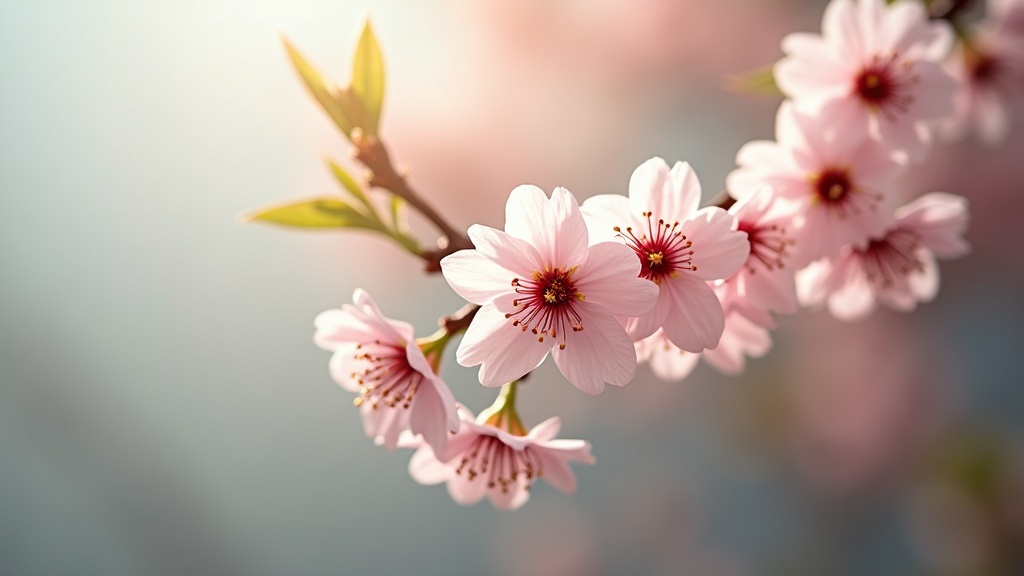
The defining feature of an ornamental cherry is its bloom. Flowers can be single (5 petals), semi-double (10-20 petals), or double (more than 20 petals), creating a dense, pom-pom-like effect. Bloom colors range from pure white to deep rose-pink. The trees themselves can be upright, spreading, or weeping. Most are deciduous, losing their leaves in winter, which allows the spring blossoms to stand out dramatically against bare branches. Their root systems are generally shallow and spreading, which is an important consideration when planting near patios or walkways. Understanding these traits helps you choose a tree that fits your landscape perfectly.
Planting and Site Selection
Proper planting is the single most important factor in the long-term health of an ornamental cherry. The University of Maryland Extension advises to “select a site that receives full sun or at least 6-8 hours of sunlight each day” (University of Maryland Extension, 2025)[1]. This full-sun exposure is critical for maximizing flower production and reducing the risk of fungal diseases. While they can tolerate some light shade, the bloom will be significantly reduced.
Soil conditions are equally vital. Ornamental cherry trees “grow well in fertile soils with a pH of 6.0 to 7.5” (University of Maryland Extension, 2025)[1]. They prefer a well-drained, loamy soil. Heavy clay that holds water can lead to root rot, while very sandy soil may drain too quickly, requiring more frequent watering. Before planting, it is wise to test your soil’s pH and amend it if necessary. If your soil is heavy clay, consider planting the tree in a raised bed or a mound to improve drainage. The Brooklyn Botanic Garden notes that they “are not demanding in regard to soil type or pH, although a well-drained soil or location is beneficial” (Brooklyn Botanic Garden, 2025)[2].
Step-by-Step Planting Guide
- Dig a hole that is two to three times the width of the root ball but no deeper. The top of the root ball should sit slightly above ground level.
- Amend the backfill soil with compost if needed, but do not add fertilizer at planting time.
- Place the tree in the hole, ensuring it is straight and the graft union (the swollen area near the base) is above the soil line.
- Backfill with the amended soil, gently firming it down to remove air pockets.
- Water deeply immediately after planting to settle the soil.
- Apply a 2-3 inch layer of organic mulch (e.g., wood chips) around the base, keeping it a few inches away from the trunk to prevent rot.
Watering is crucial in the first year. The University of Maryland Extension recommends that if rainfall is below 1 inch per week, newly planted trees should be watered to maintain even soil moisture (University of Maryland Extension, 2025)[1]. Deep, infrequent watering is better than frequent, shallow sprinklings, as it encourages deeper root growth.
Care and Maintenance
Once established, ornamental cherry trees are relatively low-maintenance, but they do benefit from consistent care. The most critical element is sunlight. As mentioned, full sun is non-negotiable for a spectacular bloom. The second most important factor is pruning, which should be done with a light hand. The best time to prune is in late winter or early spring, just as the buds begin to swell but before the tree is in full leaf. This is when the tree is dormant and wounds heal fastest.
Pruning goals include removing dead, diseased, or crossing branches to improve air circulation and shape the tree. The University of Maryland Extension warns that “poor air circulation traps humidity and keeps leaves wet for a longer period of time” (University of Maryland Extension, 2025)[1], which encourages fungal diseases. Focus on thinning out the crown to allow light and air to penetrate. Avoid heavy pruning, which can stress the tree and reduce flowering for the following year. Always use clean, sharp tools to make clean cuts.
Watering and Fertilizing
During dry spells, established trees benefit from deep watering, especially in the late summer and early fall when they are setting buds for the next year. A slow, deep soak once a week during drought is ideal. Fertilization should be minimal. A balanced, slow-release fertilizer (like 10-10-10) applied in early spring is usually sufficient. Over-fertilizing with nitrogen can lead to lush leaf growth at the expense of flowers and make the tree more susceptible to pests. A simple soil test every 2-3 years can guide your fertilization needs.
Common Pests and Diseases
Ornamental cherry trees are susceptible to several pests and diseases, but with proper care, most issues can be managed. The most common disease is cherry leaf spot, a fungal infection that causes purple spots on leaves, leading to premature defoliation. This is exacerbated by wet, humid conditions and poor air circulation. To prevent it, clean up fallen leaves in autumn to remove overwintering spores, and prune to improve air flow. Fungicidal sprays can be used preventatively in spring if the problem is persistent.
Another serious issue is bacterial canker, which causes sunken, oozing lesions on branches and trunks. This is often fatal and is best prevented by avoiding wounding the tree and planting in well-drained soil. Pests include aphids, which suck sap and produce sticky honeydew, and borers, which tunnel under the bark. Healthy trees are more resistant to borers. Regular monitoring and prompt treatment with insecticidal soap or horticultural oil can control most infestations. The estimated normal lifespan of ornamental cherry cultivars such as Kwanzan is 15-20 years (Weekand, 2025)[3], but with excellent care and a bit of luck, they can live longer.
Important Questions About Ornamental Cherry Trees
How much sun does an ornamental cherry tree need?
Ornamental cherry trees need at least 6-8 hours of direct sunlight each day for optimal flowering and health. While they can tolerate some light shade, the number of blossoms will be significantly reduced. Full sun also helps keep the foliage dry, which reduces the risk of fungal diseases.
What is the best time to prune an ornamental cherry tree?
The best time to prune is in late winter or early spring, just before the buds swell but after the worst of the cold weather has passed. This is when the tree is dormant, and pruning wounds heal quickly. Avoid pruning in the fall, as this can stimulate new growth that may be killed by winter frost.
How long do ornamental cherry trees live?
The lifespan of an ornamental cherry tree varies by cultivar and growing conditions. Many popular cultivars, such as ‘Kwanzan’, have an estimated normal lifespan of 15-20 years (Weekand, 2025)[3]. However, with excellent care, including proper planting, watering, and disease management, some trees can live 30-40 years or more.
Do ornamental cherry trees produce fruit?
Most ornamental cherry trees produce very small, sour, and inedible fruit. These fruits are often a nuisance as they can stain patios and walkways. The trees are bred for their flowers, not their fruit. However, some cultivars, like the ‘Yoshino’ cherry, produce small black cherries that are popular with birds.
Comparison: Ornamental vs. Fruiting Cherry Trees
While both types of cherry trees are beautiful, they serve different purposes in the landscape. The primary difference lies in their cultivation goal: one is for show, the other for harvest. Ornamental cherries are bred for spectacular flowers, attractive bark, and fall color, while fruiting cherries are selected for large, sweet or tart fruit. This difference dictates their care requirements and growth habits.
| Feature | Ornamental Cherry | Fruiting Cherry |
|---|---|---|
| Primary Purpose | Spring flowers, landscape beauty | Edible fruit production |
| Fruit | Small, bitter, inedible | Large, sweet or tart, edible |
| Lifespan | 15-25 years (typical) | 20-30 years (typical) |
| Pruning Focus | Shape, air circulation, remove dead wood | Fruit spur development, open center for sun |
| Pollination Needs | Not required for flowers | Often requires a second variety for fruit set |
Choosing between them depends on your goal. If you want a stunning spring display and don’t mind the small, messy fruit, an ornamental cherry is ideal. If you want to harvest cherries for pies and jams, a fruiting variety is the better choice.
Practical Tips for a Thriving Ornamental Cherry
To get the most out of your ornamental cherry, follow these actionable tips. First, choose the right cultivar for your space. A ‘Kwanzan’ cherry can reach 30 feet, while ‘Snow Fountain’ stays under 15 feet. Planting a tree that will outgrow its space leads to constant, stressful pruning. Second, mulch is your friend. A 2-3 inch layer of organic mulch, such as shredded bark or wood chips, conserves moisture, regulates soil temperature, and suppresses weeds. Keep the mulch a few inches away from the trunk to prevent rot and rodent damage.
Third, water wisely. Deep, infrequent watering is better than frequent, shallow watering. This encourages deep root growth, making the tree more drought-tolerant. In the first year, water deeply once a week if there is no rain. After that, water during prolonged dry spells. Fourth, watch for stress signals. Early leaf drop, sparse blooms, or oozing sap are signs of trouble. Early intervention is key. Finally, be patient with blooms. Young trees may take a few years to produce a full show.
For more about Ornamental cherry, see discover ornamental cherry insights.
Final Thoughts on Ornamental Cherry Trees
Ornamental cherry trees are a rewarding addition to any garden, offering a breathtaking spectacle each spring. By selecting the right site, providing proper care, and staying vigilant against pests and diseases, you can enjoy these beautiful trees for many years. Remember, the key to success lies in the basics: full sun, well-drained soil, and careful pruning.
Sources & Citations
- Ornamental Cherry Trees: Identify and Manage Problems. University of Maryland Extension.
https://extension.umd.edu/resource/ornamental-cherry-trees-identify-and-manage-problems - Flowering Cherry Trees for Your Own Garden. Brooklyn Botanic Garden.
https://www.bbg.org/article/pretty_in_pink - Life Expectancy of Ornamental Cherry Trees. Weekand.
https://www.weekand.com/home-garden/article/life-expectancy-ornamental-cherry-trees-18024743.php